
Holiday Inventory Is Moving. Is Your Warehouse Ready?
September may feel early to start worrying about holiday warehouse capacity.
For a lot of retail operations teams, it’s already late.
Holiday SKUs are moving. Furniture, décor, toys, promotional inventory, packaging materials and other seasonal goods can start hitting distribution centers well before the holiday shopping season actually begins.
One General Manager at a national home décor chain told us:
“The Christmas freight is already hitting the DC before Labor Day. We start building storage buffers months ahead.”
That’s the part of peak season planning consumers never see. Black Friday might be months away, but the inventory behind it has to go somewhere now.
September Is a Space Problem Before It’s a Sales Problem
Retail peak season is usually discussed in terms of demand.
Operations teams experience it first as a capacity problem.
Product begins arriving while existing inventory is still moving through the building. Promotional inventory needs to be staged. Bulky seasonal SKUs consume valuable floor space. Docks get busier, and every pallet parked in the wrong place makes normal warehouse operations a little harder.
The challenge isn’t necessarily that a retailer doesn’t have enough warehouse space all year.
It’s that the space they have needs to absorb a temporary surge at exactly the right time.
That distinction matters.
Adding permanent square footage to solve a seasonal spike can mean committing to capacity you won’t need once January or February rolls around. The retailers we work with take a different approach: build temporary capacity around the surge rather than permanently building for the surge. The Retail Playbook shows how major retailers are expanding and contracting storage across DCs, stores and reverse logistics operations as volume changes. How major retailers expand and contract storage as demand changes
The First Warning Sign Usually Isn’t “We’re Out of Space”
By the time someone says the warehouse is full, the problem is obvious.
The more useful warning signs happen earlier.
Inbound freight starts taking longer to process. Product gets staged in areas that weren’t designed for storage. Forklift clearances get tighter. Teams start moving the same inventory multiple times just to reach something else. Containers or trucks wait because there isn’t an obvious place to put the freight.
None of those problems individually means a warehouse has failed.
Together, they’re a pretty good indication that peak inventory is starting to compete with day-to-day operations.
Retail leaders in our playbook described facilities becoming full before Black Friday and using trailers specifically to keep aisles clear enough for forklifts to move.
That’s why the better question in September isn’t:
“Are we out of space?”
It’s:
“What happens to the next load that arrives?”
If there isn’t a clear answer, it’s time to build a buffer.
Create a Buffer Without Disrupting the Building
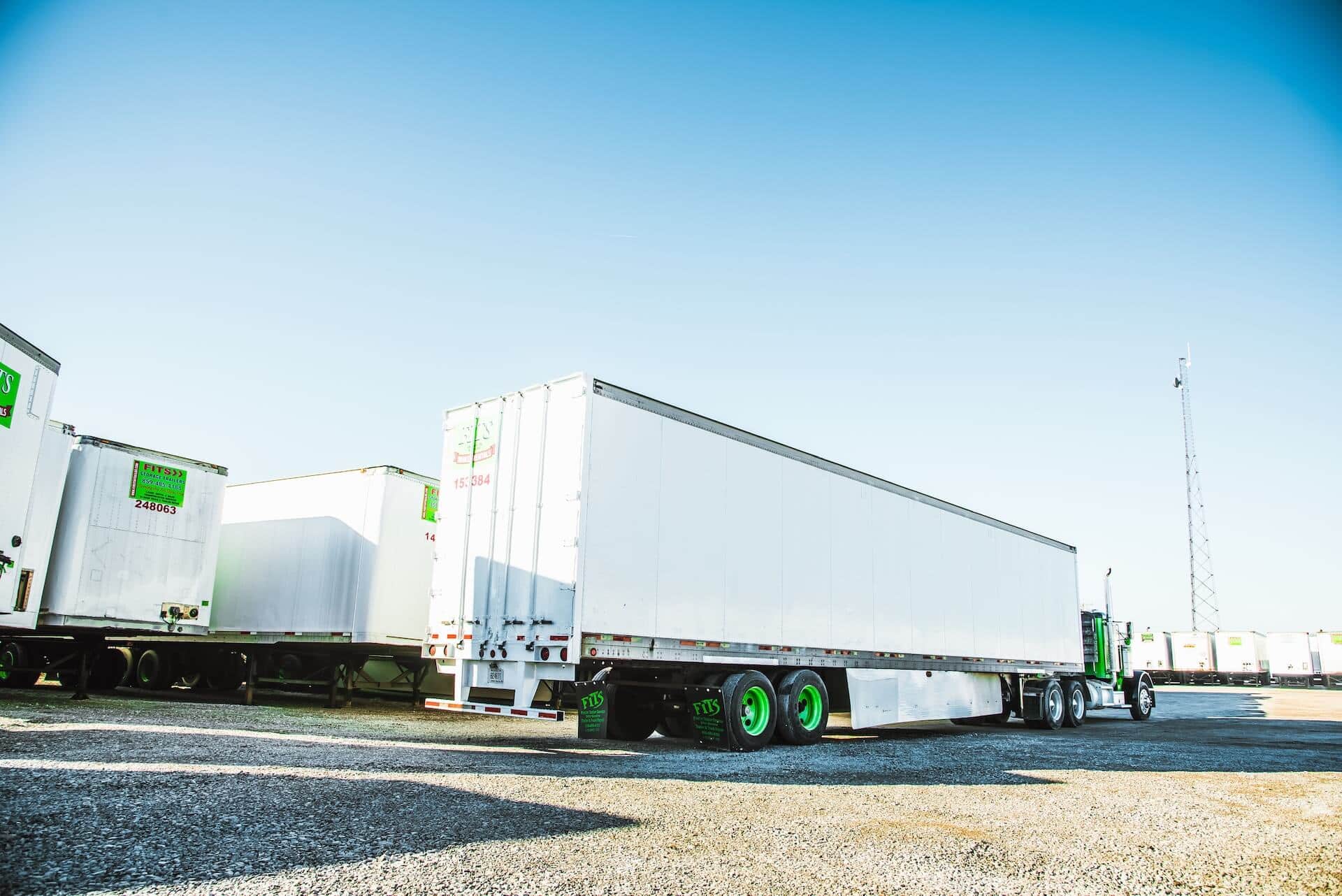
One of the simplest ways retailers create that buffer is by moving inventory that doesn’t need to occupy active warehouse space into storage trailers.
Instead of sending overflow miles away to another warehouse, dock-height trailers can sit at the facility and function as an extension of the existing footprint.
That extra capacity can be assigned deliberately.
Early holiday inventory can wait there until it’s needed. Bulky seasonal merchandise can stay out of active pick areas. Promotional product can be staged separately. Incoming freight can be unloaded without immediately consuming warehouse floor space.
The goal isn’t just finding somewhere to put more stuff.
It’s protecting the space where the actual work happens.
Retail operations teams using this strategy treat trailers as extensions of their warehouse floor plan. Some scan and map inventory down to the individual trailer so teams know exactly what is stored where.
That turns overflow storage from a last-minute parking spot into part of the operation. The Q4 storage strategies used by major retailers
The Dock Matters Just as Much as the Square Footage
There’s another reason to think about capacity before the warehouse actually reaches 100%.
Inbound freight doesn’t stop because the building is congested.
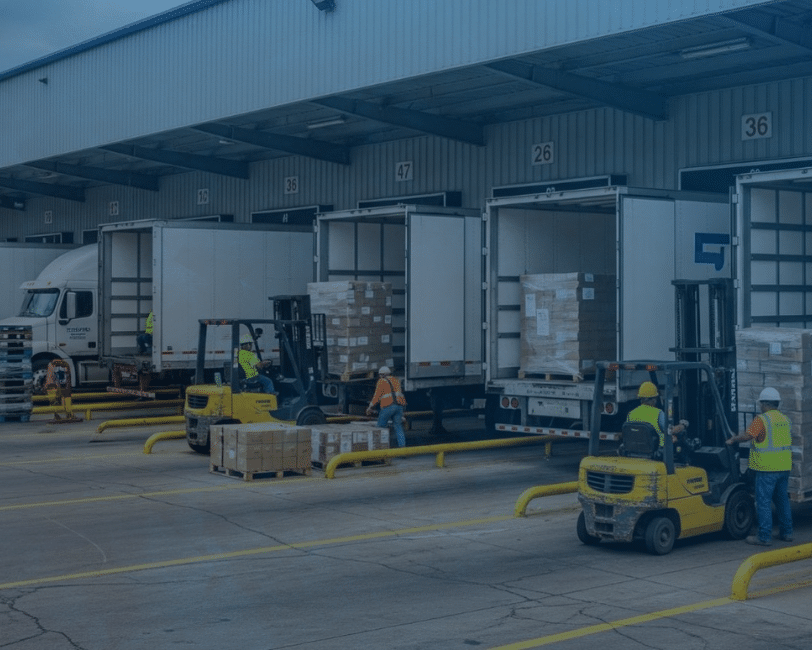
When containers arrive, operations teams need somewhere to unload them. If product can move directly into staged storage capacity, the dock keeps moving even when the main warehouse is tight.
Retailers using temporary storage staging can clear large numbers of containers in less than 48 hours, according to the strategies outlined in our Retail Playbook. The same approach helps avoid detention charges that can run around $300 per day.
So overflow capacity isn’t only about storing inventory.
It can also protect the flow of inventory into the building.
And during Q4, keeping freight moving can be just as important as finding somewhere to store it.
Build for the Surge, Then Give the Space Back
This is where temporary storage fits the shape of retail demand particularly well.
Peak season has an expiration date.
The Retail Playbook shows major retailers adding roughly 9,000 to 45,000 square feet of temporary floor space across multiple locations, with some scaling as high as 50,000 square feet during the November peak. Then capacity can come back down as inventory clears.
That’s very different from signing for warehouse space based on the busiest few weeks of the year.
With Warehouse on Wheels, retailers can use storage trailers on 30-day rental agreements and adjust capacity as velocity changes.
Need more space as holiday freight arrives? Add it.
Volume clears? Give it back.
January returns create another surge? Adjust again.
Storage follows the business instead of forcing the business to fit the storage.
Before the Next Holiday Shipment Arrives, Ask These Questions
September is a good time for retail operations teams to look beyond the inventory already inside the building and think about what is scheduled to arrive next.
Ask:
- How much holiday inventory is still inbound?
- Which locations have the least available capacity?
- What seasonal SKUs will consume the most floor space?
- Where will promotional inventory be staged?
- Can incoming containers be unloaded immediately if the warehouse is congested?
- Which inventory actually needs to be inside the building?
- What happens to overflow if volume exceeds the forecast?
- And after Christmas, where will returns go?
The Retail Playbook recommends forecasting inbound flow month by month, identifying bulky and damage-prone categories, staging capacity before product arrives and having the post-holiday reverse logistics plan ready before the season begins. The full Q4 Action Checklist.
The important part is answering those questions before the freight is sitting at your dock.
Don’t Plan for Black Friday. Plan for What Arrives Before It.
Retailers know when Q4 is coming.
What changes every year is exactly how much inventory arrives, when it arrives and which locations feel the pressure first.
That’s why the strongest peak-season plans aren’t built around predicting everything perfectly. They’re built around having somewhere for the unexpected volume to go.
Warehouse on Wheels helps retailers add flexible storage capacity directly at their facilities without committing to permanent warehouse space. And because that capacity can expand and contract with demand, teams can prepare for holiday inventory without designing their entire network around a few peak weeks.
Want to see how major retailers are doing it?
Download Retail Secrets: How Big Retailers Keep Up with Q4 Storage Chaos for the full September-through-January surge strategy, site-specific tactics and Q4 action checklist.
When you’re ready to start planning for Q4, call your local Warehouse on Wheels team or request a quote online. You’ll get availability and pricing within hours, and storage trailers on-site before the season gets ahead of you.