
The Great Resin Reconsideration: Why Your Storage Strategy is Now a Financial Hedge
The plastics industry is currently staring down a “perfect storm.” As of Q2 2026, virgin resin prices for Polyethylene (PE) and Polypropylene (PP) have effectively doubled since January, driven by the geopolitical “shut-in” of feedstocks in the Middle East.2 For a VP of Strategic Sourcing, this isn’t just a procurement headache—it’s a systemic threat to margins.
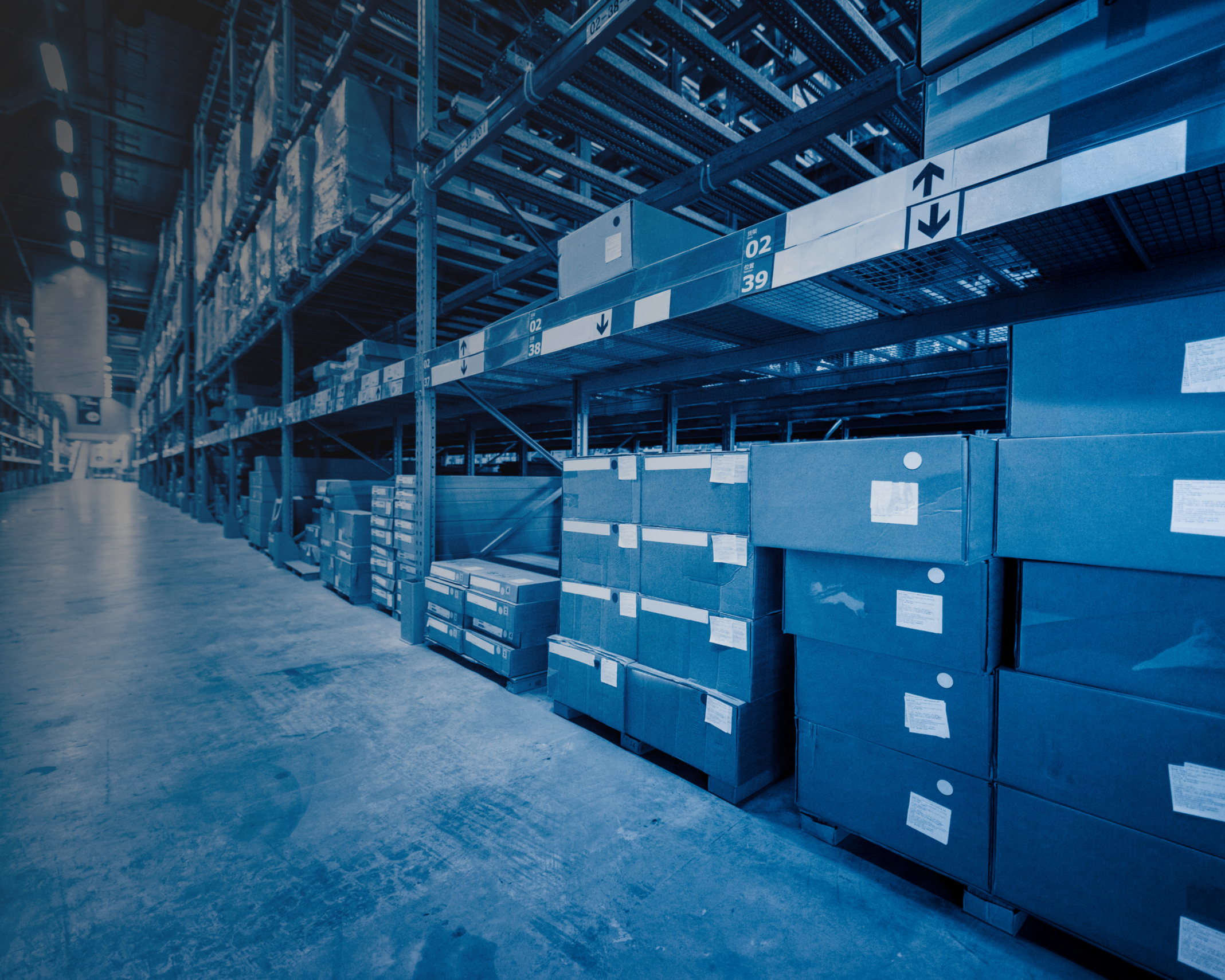
The immediate reaction for many has been the “Great Reconsideration”: a massive structural pivot toward post-consumer recycled (PCR) and post-industrial recycled (PIR) materials.6 But as you front-load inventory to beat further price hikes, you run into the “Warehouse Underground” reality—you have too much stuff and too little space.
The Failure of Static Capacity Most companies still rely on static capacity models. They try to solve a six-month resin spike with a five-year warehouse lease. That’s not a strategy; it’s an anchor. When you lock into fixed real estate, you aren’t just paying for space; you’re paying for the “logistics burden” of moving goods back and forth to an off-site facility.16
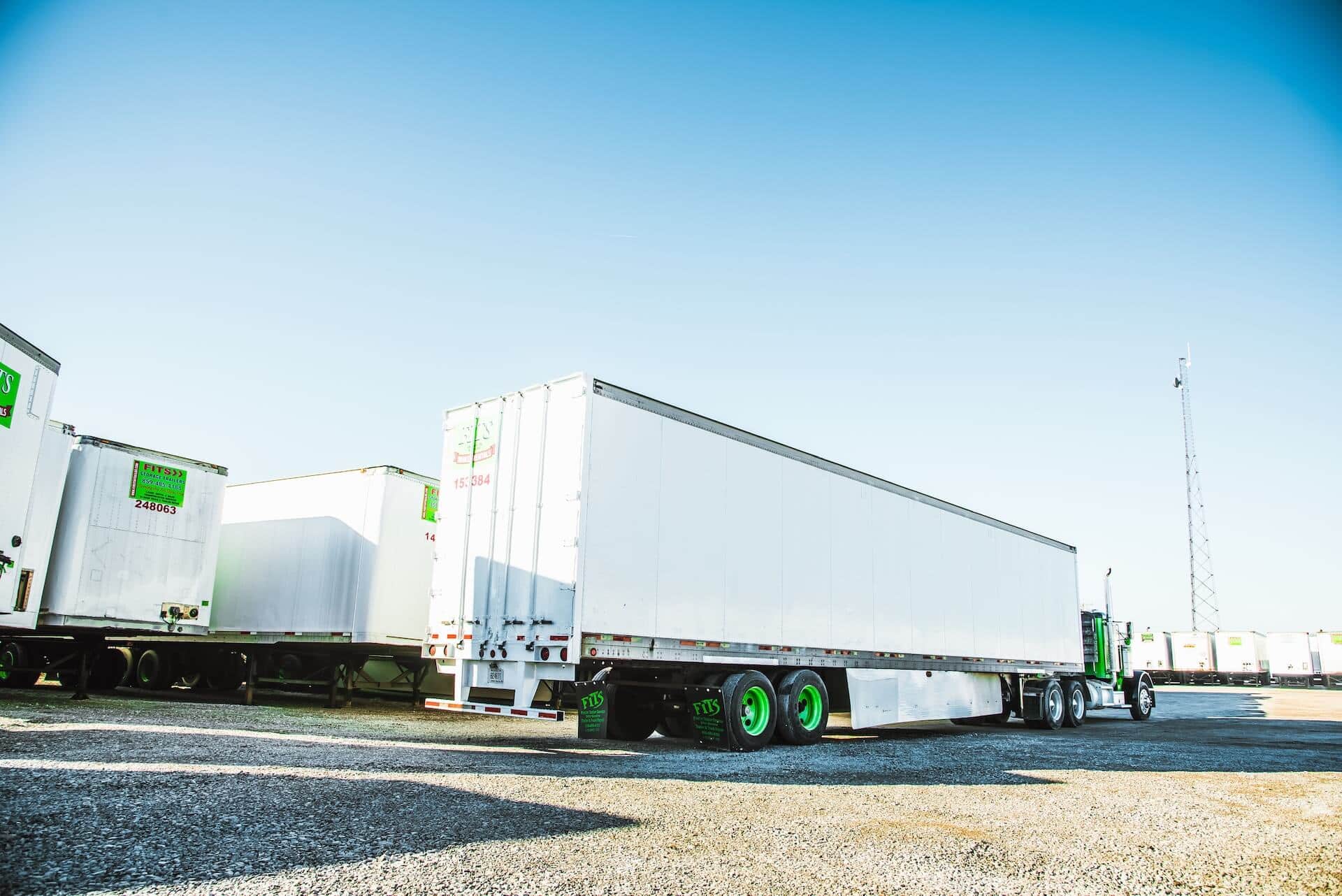
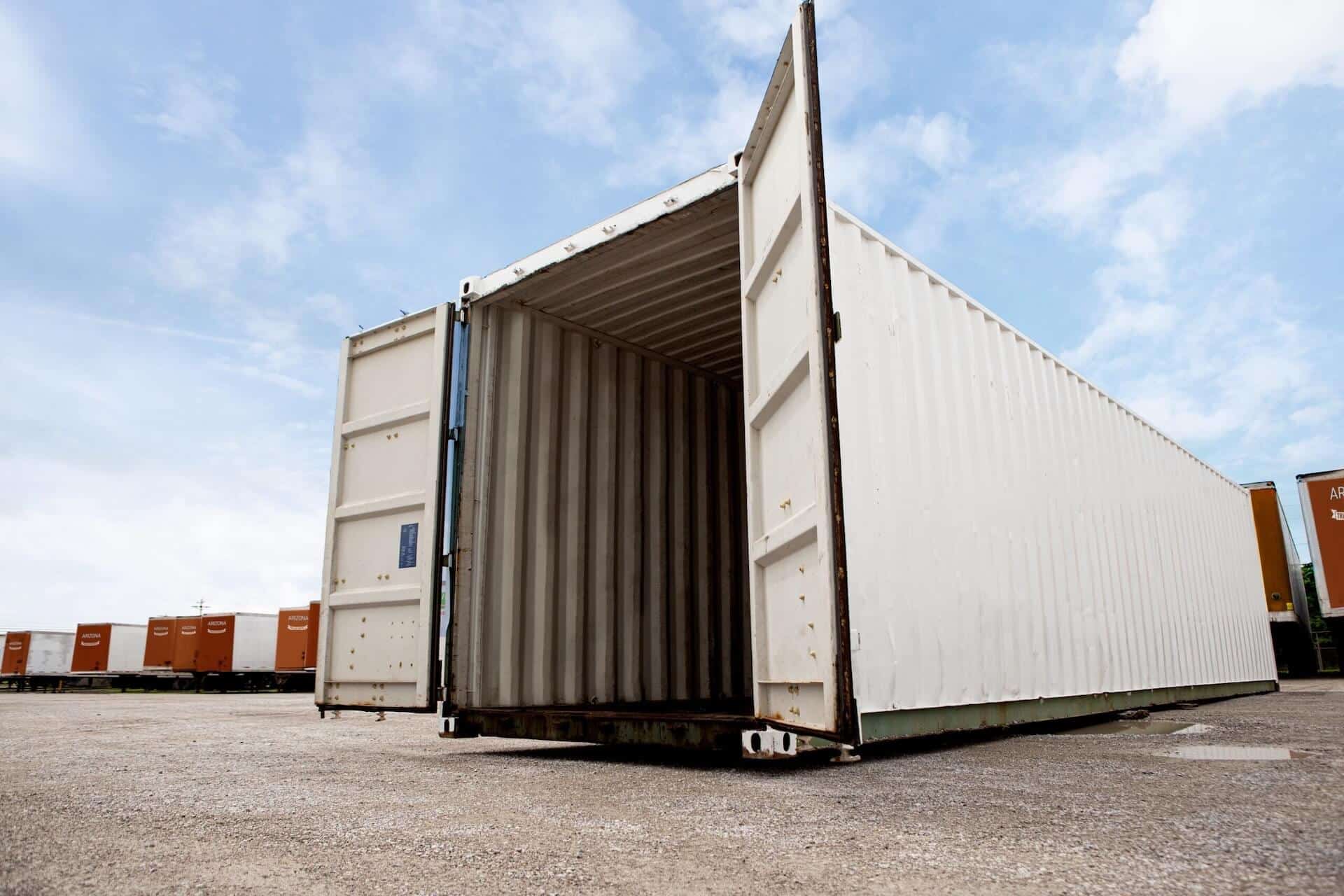
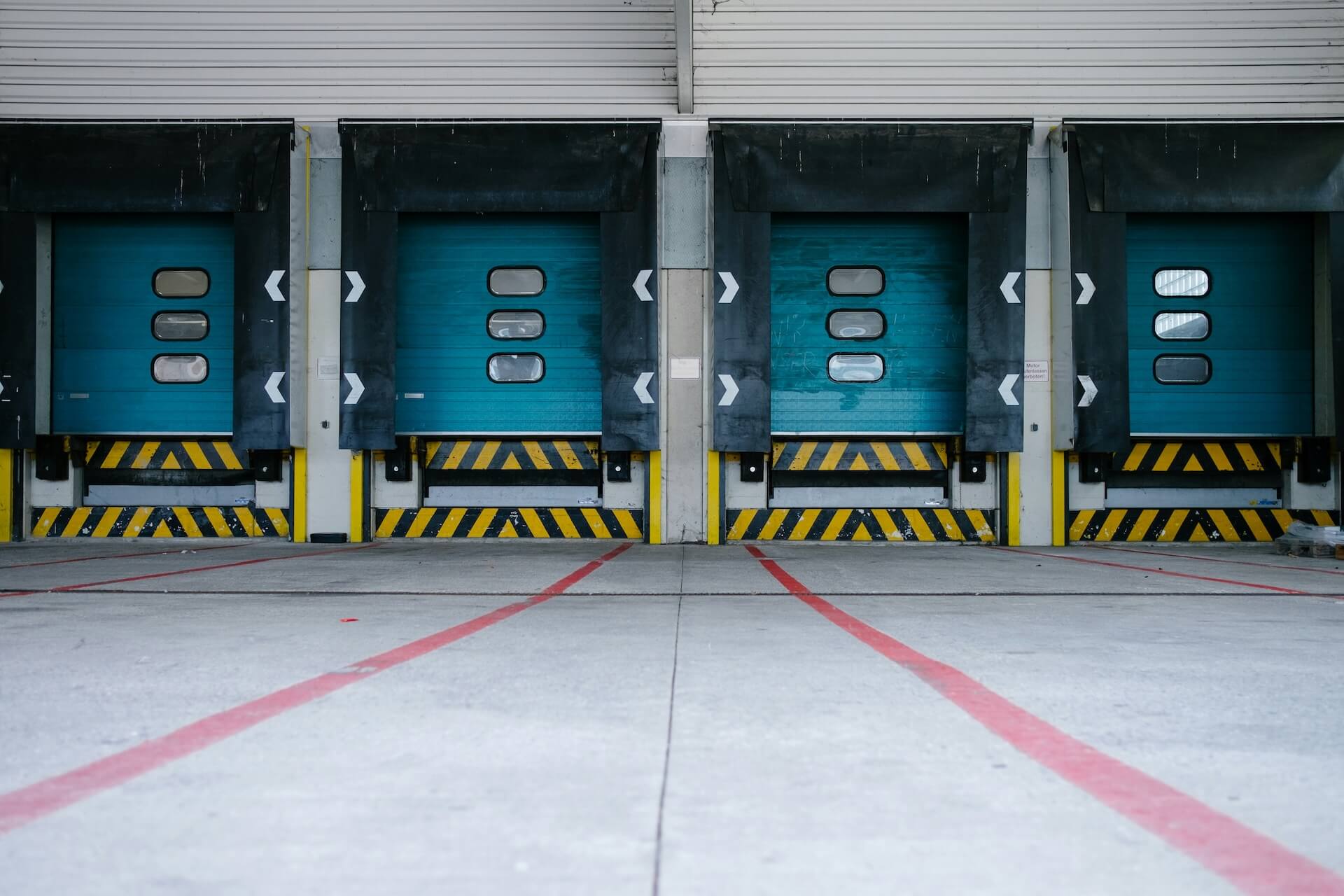
The Mobile Storage Layer: Penicillin for Overcomplication At Warehouse on Wheels (WOW), we provide a “Physical Capacity Layer” that allows you to decouple your storage needs from your building footprint.5 In the plastics world, this requires a nuance only operators understand: the distinction between Storage-grade and Cartage-grade assets.
- Storage-Grade: Refurbished to be “safe, dark, and dry.” For moisture-sensitive resin pellets or PIR bales, they offer warehouse integrity at dock-height, at a fraction of the cost.5
- Cartage-Grade: These are roadworthy for regional loops (up to 150 miles), perfect for moving material between a separation center and the production line.15
The Financial Logic: CapEx to OpEx From a CFO’s perspective, the argument for mobile industrial storage is rooted in Capital Avoidance. By converting massive CapEx into a flexible OpEx through evergreen contracts, you preserve the Net Present Value (NPV) of your organization.5 Our internal EBA shows that WOW storage trailers model at an average of $6.64 per square foot, compared to $11.05 for traditional leases.16
The Bottom Line
Don’t build a church for Easter Sunday. If you are front-loading resin or switching to recycled feedstocks, you need a storage partner that can “dial up or down” with the market.