Chris Martin on Solving the Space Crisis with Mobile Storage
In this episode host Mark Mann sits down with Chris Martin, General Manager for Meisler Trailer Rental in Kentucky and Indiana, to talk about the Louisville and Jeffersonville logistics market, the space headaches tariffs have created for local manufacturers, and what it means to run a Warehouse on Wheels branch as a local market CEO. Chris tells the story of a customer shut down by the fire marshal that was back open within 24 hours, and walks through a midsize manufacturer that skipped a 40,000 square foot warehouse lease for a pool of drop trailers.
Key Takeaways
- A local market CEO answers the phone and sends his own mechanics. Chris’s team runs its own road calls, sending a Meisler mechanic to the customer’s lot 90% of the time. Callers reach one of four people: Chris, Ethan, Dustin or Holly. Chris gives most customers his cell phone number, because logistics doesn’t stop at 5:30 and second and third shift problems still need an answer.
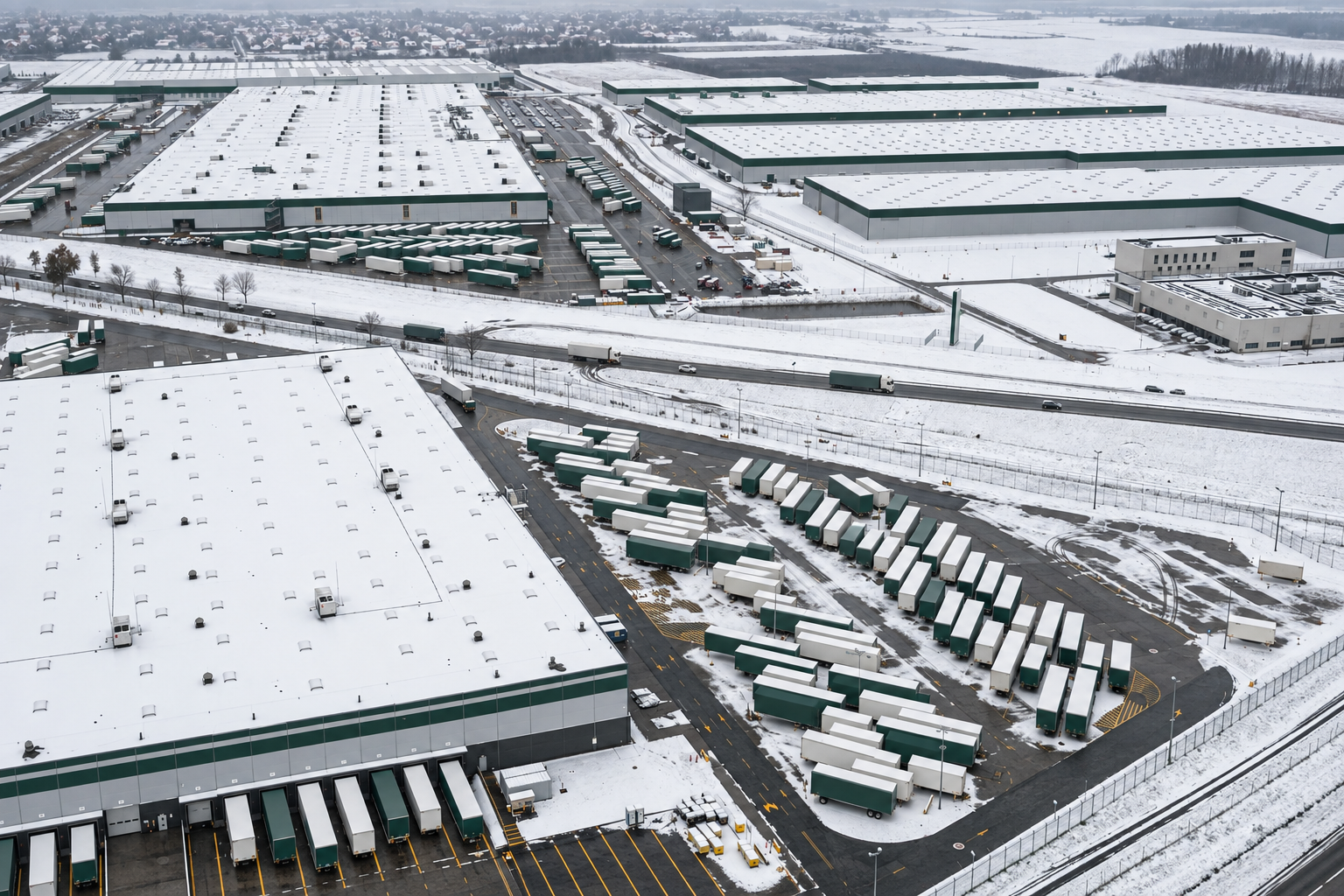
- Tariffs sent landlocked manufacturers looking for space on wheels. When the tariffs hit, a large appliance company in town ordered parts early to avoid the extra cost and had no floor space to store them. The site is landlocked, so building a new warehouse was off the table. The customer has several hundred trailers with Meisler and orders in surges of five to 15; this time it needed 25 53-foot trailers.
- A fire marshal shutdown was reversed within 24 hours. A company that wasn’t yet a customer had product sitting in its aisles when the fire marshal closed the business. Chris had trailers there the same day, and within 24 hours the aisles were clear and the company was back open. The relationship grew to 125 trailers on rent at one point, and the customer still refers new business to him.
- Drop trailers saved one manufacturer about $1.4 million. A midsize manufacturer was about to sign a 40,000 square foot lease, a commitment Chris puts at well over a million dollars once racking is included. He proposed a pool of drop trailers instead. The customer estimated about $180,000 saved on overtime, because trucks could be unloaded during normal shifts, and about 60,000 in detention and demurrage fees, and told Chris the total came to about $1.4 million. Meisler’s commitment is one month, and customers keep a trailer for a week or as long as they need it.
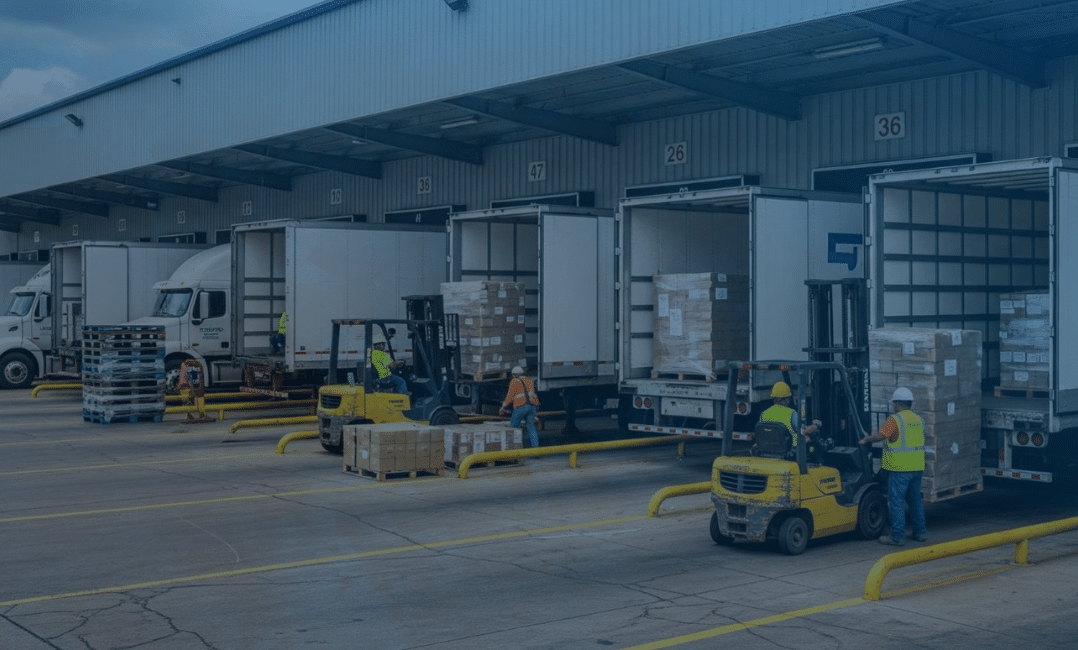
- Audit your four walls before you order a single trailer. Chris walks the floor and the parking lot before recommending anything, and has helped customers set up a drop zone so full and empty trailers stop getting mixed together. A customer who thinks it needs 50 trailers might only need 20 once things are moved around. His advice to anyone in Kentuckiana short on space this week: audit your space, find where the pressure is coming from, then call.
Episode Chapters
Click any timestamp to jump to that section on YouTube.
- 00:00 Meet Chris Martin
- 01:36 Being A Central Hub
- 02:20 Getting Into Mobile Storage
- 03:24 What’s A Normal Day Look Like?
- 04:16 The Meisler Team
- 05:56 The Local Market CEOs
- 07:11 Ritz Carlton Service At Hampton Inn Prices
- 08:10 The Top Space Headaches
- 09:32 What Happens When Space Gets Tight
- 10:36 Changing Short-Term Thinking
- 13:18 A Customer Got Hacked
- 15:04 When A Customer Panics
- 17:53 Figuring Out Customer Problems
- 19:12 Helping Yard Supervisors
- 20:08 Clear Dollar Impact
- 23:28 First Steps Before Calling
- 25:45 A Yard Dog
- 26:54 Hitting The Reset Button
- 27:52 Best Advice From A Mentor
- 29:13 Dispelling The Biggest Storage Myths
- 32:04 If You’re In Trouble On Space
Transcript
[00:00] Meet Chris Martin
Mark Mann: All right, welcome back to The Wow Factor. I’m your host, Dr. Mark Mann, and today we are continuing our tour of the industry leaders who keep the North American supply chain moving. On today’s episode, we are heading to the Ohio Valley, specifically the Jeffersonville, Indiana, and Louisville, Kentucky markets. Now, if you know logistics, you know that this is the heart of the country’s distribution networks. Louisville, Kentucky is a hub for one of the world’s global logistics giants, and it’s really a leader in transportation, supply chain management, and e-commerce solutions. Louisville’s Bluegrass Commerce Park stands out nationally due to its massive scale. It’s got a great strategic location near the Worldport hub at the airport, and there’s a really good diverse industry mix that includes logistics, manufacturing and professional services and, dare I mention, the bourbon industry. Joining me is a veteran of the industry. He has spent years on the cartage and logistics side with another major player in the logistics and storage business, and now he leads our Meisler Trailer Rental brand in Kentucky and Indiana as general manager. Chris Martin, welcome to the show. Chris Martin: Great to be here, Mark. I’m so excited to talk trailers and talk about logistics and give everybody the wow factor.
[01:36] Being A Central Hub
Mark Mann: Absolutely. So, Louisville, Kentucky has been called the northernmost southern city and the southernmost northern city. Is that still the case? Chris Martin: I believe that’s a pretty fair way to describe it for sure. Mark Mann: Yeah. You’re an hour from, you know, a couple hours from Nashville, couple hours from Indy, couple hours from Cincinnati. It’s a fascinating place. Bourbon and Thoroughbreds, right? Chris Martin: It is. And that’s what makes us, I think, stand apart here at this location, is that we’re close to everybody. In this hub we’re able to get to everybody within a couple hours, Evansville and Indianapolis and Cincinnati, and so we’re able to help people in that circle. So yes, it’s a great place to be. Great market.
[02:20] Getting Into Mobile Storage
Mark Mann: So let’s jump right in. You’ve been in this game for decades, from the world of some of your current competitors years ago to this specialized world of Meisler. How did you first find your way into this world of warehouses and yards and trailers and all of that? Chris Martin: Well, you start years ago, so yeah, it goes way back. I’ve been around a long time doing this, and every day is a challenge. It’s fun. I enjoy helping the people. But there’s kind of a group of us here that have all, I say, grown up together. There’s quite a few of us that have worked together for a long time in this industry, and like brothers we’ve grown up, and there’s been some good times and some bad times, but we’ve weathered through it. And I think we all have the same common goal, which is helping people and seeing people succeed and, you know, being able to really solve problems. Mark Mann: Yeah, absolutely. You know, finding the right solution right now. That’s what we always say here, right? So, Chris Martin: That’s what we’re all about for sure.
[03:24] What’s A Normal Day Look Like?
Mark Mann: Yeah. For those listening who aren’t in the Ohio Valley, what does a normal day look like for you running the Meisler branch right now here in this area? Chris Martin: Well, honestly, I like to come to work. You know, we had the whole work from home thing. I never was good at that. So, I do enjoy getting up and, I say, putting my boots on and going to work. I like to come in, kind of get the day going, talk to my guys, get the office, just get everybody headed rolling in the right direction. You know, we all understand what we’re up against, understand what the goals are for the day, and then at that point, I’ll get out, see customers, maybe take somebody to lunch, just, you know, do the things that I enjoy. But I do like to come to work and be with my folks and get things going.
[04:16] The Meisler Team
Mark Mann: Yeah. Good. Tell me a little bit about the team there in the Jeffersonville and the Louisville area. Chris Martin: One thing I’m very proud of with these guys: we try to run our own road call. So when you call and you have a problem, 90% of the time, if I can, we’re sending our own people out. We do have a great vendor network, but what I like to do is send a representative of Meisler Trailer Rental to your lot. That way, you know, he’s representing who we are. He’s going to come out and do a good job in an efficient time. And, you know, we’re not out there trying to take advantage of anybody. It’s about uptime for you if you got a trailer door ripped off or something has happened. But just great people, you know. We got Holly in the office. We got Ethan. He’s running the operations from a day-to-day standpoint. Dustin, and then all the people, the mechanics, just a great seasoned team of folks. When you call, one of us is going to answer the phone. So that’s the difference, is that we’re going to solve your problem hopefully before we hang the phone up. Mark Mann: Yeah. So often today you call some place and get a recording, right? And you guys actually, I mean, the phone rings and you pick it up. Chris Martin: Yeah, I don’t know about you, but it drives me crazy to hit one or two for who you want to talk to. You’re not going to get a phone tree here. You’re going to get me, Ethan, Dustin, or Holly. So, you’re going to get one of us four when the phone rings. And most customers I give my cell phone to. Hey, call me on my cell phone if you don’t want to call the office. I’ll always answer my phone, even if it’s spam.
[05:56] The Local Market CEOs
Mark Mann: That is rare. That is so rare. I mean, you’ve got John, who calls our GMs the local market CEO, and you’ve got a local market CEO that, if the phone rings, you’re picking it up. They’re talking to the guy who can make it happen, right? Chris Martin: He’s empowered us. He essentially calls us a CEO because he gives us the power to do whatever we need to do to get the job done. Mark Mann: Yeah. The authority, right? The authority to get the job done no matter what. Chris Martin: So, I think me providing my cell phone to somebody is imperative, so that if they need something, whether it’s 7:00 a.m. or 7:00 p.m., I’m on the phone with them and helping them solve their problem, because logistics doesn’t stop at 5:30. You know, we can go home at 5:30, but there’s second shift, third shift. A lot of people still have problems that arise on second shift and third shift. I’ve gotten plenty of calls at 10 p.m.: “Hey, can you have me trailers here in the morning at 8:00 a.m.?” And I can start planning for that. Even if I’m home, I can pop open my laptop, start planning for what I got to do, and send out that email. So, when the guys are here first thing in the morning, we already have a plan on what we’re doing.
[07:11] Ritz Carlton Service At Hampton Inn Prices
Mark Mann: Yeah, I’ve heard a couple of people say that: the Ritz-Carlton service at Hampton Inn prices. And, you know, a good example of that is what you just talked about. When you have customers that don’t have to bring a trailer back to you for a repair, you’ve got guys, how convenient is that, you got guys that can roll out there and do the job right then. Chris Martin: Yep. We just made a great LinkedIn post. Ethan went out and took a picture of Zach putting the door on at a local automotive supplier that ripped the door off, and they needed that trailer right then. So, we loaded a door up and went out and put a door on for them. So, yes, I think John says it right with the Ritz-Carlton service, because we try to be that. No matter who it is, you got one trailer, 100 trailers, we want to rent you the trailer and we want to take care of you, too. It’s not just transactional. We want to build a relationship and really take care of you and help your business grow. That’s what we’re about. Mark Mann: Yeah, that’s awesome.
[08:10] The Top Space Headaches
Mark Mann: So, let’s talk about some pain points. You know, we said you guys are two hours from Indy, two hours from Nashville, two hours from Cincinnati. Your airport is a world hub. You’re right in the thick of a major manufacturing and shipping area. So, when you look at the Louisville market today, what are the two or three biggest space headaches that your customers are bringing to you again and again? Chris Martin: I think it’s product, space, and then probably price. You know, price being last. Typically when somebody needs something, their hair is on fire, you know. But I think pain points right now, we’re seeing the tariff stuff that kind of surged up right now. As we’re filming this, it’s kind of in the peak. We don’t see near the kind of peak we’re used to pre-COVID, but believe it or not, Amazon called and I think I put 10 on this morning to them. So, you know, they still have that panic. Something happened, that hiccup, and they needed trailers, and we were able to take them right down. So, you know, it’s just how quick we can move on things. It makes a big difference for our customers. And whether you’re Amazon or, you know, I say the big guys, but the small people, you can have one trailer with us and we’re going to treat you the same.
[09:32] What Happens When Space Gets Tight
Mark Mann: Yeah. So, take us into the weeds a little bit. Tell us about a recent week, maybe during a surge or a seasonal rush, that really shows what happens when space gets tight in your region. Chris Martin: I could tell you about a large appliance company here in town. When the tariffs hit, they kind of went into panic mode. They ordered a lot of parts, trying to get them in to store them so that they weren’t going to pay the extra tariffs from where they were coming from. So, we were able to supply them with, you know, surge them with trailers to put the product on, because they didn’t have the floor space for it, the warehousing space. They’re pretty landlocked and they had nowhere to put it. They can’t build a new warehouse. So, what’s our option? So, mobile storage for them is our best option, and we help them quite a bit. They got several hundred trailers with us, and any given time they’ll call and order. Maybe it’s five, it could be 15. This instance, I think it was 25 that they needed. So 25 53-foot trailers is a lot of space of parts.
[10:36] Changing Short-Term Thinking
Mark Mann: Yeah. Yeah. And so we talk about hair on fire, and I know that everybody’s trying to shift from that band-aid thinking to more of a long-term strategy. And I know a lot of leaders still view storage trailers as a band-aid or emergency fix. But I’ve spoken to some folks, especially in automotive and retail, that say that thinking is changing. So with your background in logistics planning, tell me about a customer where that thinking changed, when the light bulb went off for them and they started thinking, you know, mobile storage should be part of the plan, not just a reaction. We’re going to hang on to some of these. Chris Martin: Yeah. Yeah. I always say we got to stop treating the crisis. You got to treat the issue. What’s causing this? So that’s really where I’m at when I go in to talk to somebody. I’ll walk the floor with them. I’ll go out in the parking lot. Where are we at with this? What’s causing this backup or this problem for you? Maybe I have an idea. I’ve been doing this a long time. Maybe I can help you with something else. And, you know, yes, you may need some storage, but maybe it’s a signage issue, or you’re dropping trailers in a location where you’re then having to hook them several times and move them multiple times. I’ve helped guys reorganize their lot, like striping. You know, hey, you got to get you a drop area, a drop zone, because you got truck drivers just coming in and dropping trailers everywhere, and then they’re mixed in with your full trailers and your empty trailers. You have no idea what you have. A lot of these guys, not saying, you know, these warehouses, sometimes they get thrown into a position that maybe they’ve never been in before. You’ve had a guy leave or get promoted, and then things happen, and all of a sudden he’s the warehouse manager and he needs help. So, a lot of times I can go in and just view things from, I always say, kind of going in the side door, the back door, and say, “Hey, what can I help you with?” When they call, I’m more than happy to come over and sit down with you, but I’d like to see your operation. So, you know, you think you need 50 trailers. Maybe if we move some things around, maybe you only need 20. So, that’s kind of where I’m at. Mark Mann: Yeah. I mean, it’s going the extra mile. We talk a lot about service, but that’s a true logistical solution that you are providing aside from just the storage solution.
[13:18] A Customer Got Hacked
Mark Mann: So you were even telling me at one point about a customer who maybe got hacked, or you noticed their email was odd, and you even— Chris Martin: [SPEAKER UNCERTAIN] A local, a barrel supplier. A guy was emailing me and I’m like, this does not sound like him. I’d been there. I’ve met the guy. I’ve talked to him several times, and he lives close to where I live, and I’m like, this doesn’t sound like the way he talks. So I sent him an email and he sent me one back, and he’s communicated with me multiple times, and it just didn’t feel right. So I picked up the phone and called, asked for him, and he wasn’t available. Talked to his boss and I said, “Hey, I think he’s hacked.” And she went in there, and they were actively in his email sending emails to all their customers. So, not to say I went above and beyond, but I was able to help them immediately get a hold of their people, and I just recognized that something was wrong with that situation. Mark Mann: Yeah. So, if they need help with cyber security, you got their back, too, right? Chris Martin: I don’t know. I don’t know how much I can help with, but I can sure recognize it. That’s the thing. When you’re talking to me, you’re talking to a real person that’s really concerned about your business. You know, it’s a small business. Last thing I want to do is see them get held for some sort of ransomware, something that could hurt them from a business standpoint. Mark Mann: It’s a partnership, and that’s what it’s all about. I hear that from so many folks here at Warehouse on Wheels. It’s all about the partnership.
[15:04] When A Customer Panics
Mark Mann: Let’s go back to the panic call, because that is a lot of the business. So tell me about a time recently when a customer called you in one of those real “we’re out of space and production is about to stop” moments, right? Chris Martin: Probably the one that stands out to me, and I think we’ve talked about it, I think Jim’s even posted about the fire marshal story. I could tell you that one. We had a customer, great customer, and at this time when they called, was not a customer. But they had stuff sitting everywhere. I’m sure most people can relate to this, but they had stuff sitting in the aisles, had stuff everywhere. I don’t know how the fire marshal got called. I’ve heard a couple different stories of it. But anyway, the fire marshal came out and closed their business, shut it down. So at that point she’s trying to find a solution. They weren’t actually a customer at the time. So she called me and I said, “Hey, tell me what’s going on.” And I was able to have trailers there that same day. And within 24 hours, they were back open, full by the next shift. They’re a two-shift company. The fire marshal had come out on second shift, and by the first shift the next day they had cleared the aisles. And by that relationship, by me helping her out, at one time we had, I think, 125 trailers on rent to them. And that’s just something where I was able to help them, and they realized the benefit of not just stacking this stuff everywhere all over the warehouse. They could free up space. It was, you know, really the safety concerns. There was a lot of factors that fell into that business and what was going on there. Once we were able to open up their aisles, I think you just got employees feeling better about things. They can move around better. The forklift drivers aren’t disgruntled and running into stuff. It just made a lot of sense. And they didn’t have to go out and rent another warehouse. They were able to surge up and down with mobile storage. Mark Mann: Yeah. I mean, you really changed their lives in a matter of 48 hours. I mean, that’s crazy. Chris Martin: Yep. Yeah, when they could get their business back open. But it was a matter of just reacting immediately: answer the phone, solve the problem. And that’s what we did. Mark Mann: So you’ve seen hundreds of those crises throughout your career. Chris Martin: That’s one that really stands out to me. We got a great customer out of that. Still a customer. In fact, she just recommended somebody else to me, and we got them trailers the other day because of an issue. So, yeah, it does make you feel good to be able to help people in that situation. So, it’s not all business all the time. It’s really, you know, if that was me and I was calling in somewhere: what can I do to help you out in this situation?
[17:53] Figuring Out Customer Problems
Mark Mann: Yeah. So, what separates those customers who recover and move on from the ones who just keep fighting the same fire month after month? Chris Martin: I think you have to really figure out what the problem is and address it, because I think so many people just keep, you know, the problem just keeps going. They never solve it. And it doesn’t have to be a warehouse. You don’t have to go build a new warehouse. It could be mobile storage like what we provide. But you can’t just keep, you know, the old kick the can down the road, because at some point you have to figure out what’s going on. You’re going to lose people. Everything’s in an uproar all the time. You got management and your people on the floor upset, can’t move. So I think for me it’s like, let’s identify the problem, and then let me help you find a solution for that. And that’s kind of where I think I shine, is being able to help that customer. Again, maybe I can look at it from another perspective. Mark Mann: Yeah, it sounds to me like it’s very personal, that you’re making that manager’s day easier, their life better, their week better. Chris Martin: Yeah, for sure.
[19:12] Helping Yard Supervisors
Mark Mann: Yeah, that’s— and even the folks that work for them. Have you ever been on site where you had a forklift driver or a yard supervisor, somebody like that, say, “Man, this has changed my job”? Chris Martin: Yeah. Yeah. I’ve had it. One thing is everybody sees our red Meisler trailers. The red stands out, and you see the sea of red. But you wouldn’t believe the yard dog drivers who’ve said to me, “Man, I love these Meisler trailers. They’re red and I can find those things. They told me to go out and get a Meisler number, I’m looking for a red trailer.” So, that’s one thing that red stands out, and usually those yard dog guys like that. In a sea of all white, sometimes they can go out and snatch up a red tub pretty quick. Mark Mann: Yeah. It’s all about branding, isn’t it? Chris Martin: Yep. Yep. For sure.
[20:08] Clear Dollar Impact
Mark Mann: All right, let’s talk numbers. So, without naming names, have you ever had a customer where you saw a clear dollar impact from them using trailers, whether it was saving on overtime or cutting fees or avoiding a bad warehouse lease? Tell me about that. Chris Martin: I actually made a note here. I had a midsize, I would call it a midsize manufacturer, not a huge company, busting at the seams. They were going to sign a 40,000 square foot lease. That’s not huge by any means in warehouse numbers nowadays, but that’s a pretty good size warehouse. I went in and pitched it to them before they pulled the trigger: hey, let’s talk about a drop pool, a pool of drop trailers, so we can just bring them in, drop them, you use them, and when you don’t need them, bring them back. Whatever we can do to help you out. So number-wise, we put a number to it, because their commitment was going to cost them well over a million dollars. That commitment on that lease, racking, you know, all the stuff that goes into a warehouse. Well, I mean, it’s probably several million, but we’re being conservative. So essentially what we were able to do was drop overtime. Instead of scrambling trucks, they could unload during normal shifts and not have to bring people in. We’re figuring about $180,000 in savings there. Detention, demurrage fees, gone. They don’t have that anymore. They just bring them in. You know, the trailers are sitting there. They’re guessing they saved probably 60,000 on that. And then basically the production flow was able to stabilize. So in total, from this real estate decision, they told me they think it was basically about $1.4 million in savings. So they went from spending $1.2 million to saving $1.4 million. Mark Mann: Wow. Chris Martin: Those are real numbers. I got that from him in a sit-down meeting, and he was very appreciative, very thankful that he took this route and didn’t go lock into this warehouse, because, as everybody knows, business is just up and down. So the good thing about us is you can rent the trailer for a month or a year. It doesn’t matter to us. The commitment from us is one month, but you can use it for a week or as long as you need it. It’s yours, and then we’ll come get it. You can bring it back. But that’s one example I could give you of real world, real numbers, of helping somebody out. Mark Mann: I mean, every CFO needs to hear that story. Chris Martin: I mean, you know, when I can get in front of the right people and tell that. Sometimes the fire marshal story works, but that is real numbers. And that’s probably been a year or two ago. I would guess the warehousing numbers, I don’t have them exact, but I know they’ve gone up. I know per square foot that stuff goes up. So that’s probably a little higher than that now from an expense standpoint.
[23:28] First Steps Before Calling
Mark Mann: Yeah. So, if you were sitting with a warehouse manager today who was out of space and just out of budget, what’s the first step you would tell them to take before they even pick up the phone to call you at Meisler? Chris Martin: I think you got to figure out what’s going on first. And if you did ask me to come over, I’d be glad to. I love getting my hands dirty and walking around with my boots on. But I think the main thing is, let’s figure out where the problem is before you order a bunch of trailers and the expense of, you know, bringing them to you and doing all the things. So, let’s figure out where the problem’s at, and then let me help you figure out what you need. You know, how many skids can we get in? All the things that a lot of these guys just don’t know. They just got a warehouse and they’ve never used this solution. Once we kind of bring them in, I mean, we’ve gone from the guys having five trailers to 50 on a project I’m on now, and they just keep asking for more and more and more, because they’re full. It’s a project. It’ll probably last six or eight months. They’re doing some upgrading on some conveyor belts. Of course, they get into the project, and one of the conveyor belts, something happened to the conveyor, it didn’t come in. So now the whole project’s backed up, and what we thought was going to be a few months with five trailers has turned into six months with 50 plus. So that’s the kind of thing where you don’t need to go out and lease a warehouse. Let us help you solve that kind of problem. That’s what we’re here for. Mark Mann: Yeah. And those stories happen all the time, I’m sure. Chris Martin: I’m sure we could sit here all day and talk about different examples and different companies. Mark Mann: I mean, everything from retail to, you know, automotive and even popcorn, right? Chris Martin: Popcorn industry. Yeah. I just took one to a local popcorn guy. They’re putting an insulated trailer on a ship, and he’s going to ship it. I think he told me Switzerland. Mark Mann: Wow. Chris Martin: Yeah. They needed an insulated trailer, and I said, “Buddy, you can do whatever. You can ship it wherever you need to, as long as it comes back.” Mark Mann: So, that’s excellent. Chris Martin: Yeah.
[25:45] A Yard Dog
Mark Mann: All right. So, let’s switch gears, and we’re going to call this our signature round. Get a little personal here. We’ll start with you. Not the title, but I hear you have a yard dog. Not the one that shuttles storage trailers around, but a literal black lab that hangs around the shop and office. Tell me about that. Chris Martin: He’s a good boy for sure. Yeah, Whan. He’s employee of the month every month. But no, he was our COVID dog. Our dog passed away and we bought him. Well, Ethan, my son, bought him without me knowing, and he said, “Our dog’s ready. Let’s go pick him up.” So, we went and got him. And of course, now he’s my dog. The kids went back to school during COVID and I’m like, what the heck am I going to do with this dog? I couldn’t just leave him at home. So I thought, I’m going to take him to work with me. So that’s where we are. He comes to work with me every day. I got vendors and customers who will come in to see my dog. They’re not here to see me. They’re here to see my dog. Bring him treats. But yeah, he’s become just a great addition to the team.
[26:54] Hitting The Reset Button
Mark Mann: That’s fantastic. So, when you get home and shut down for the night, it’s been a busy day at Meisler. What pulls you away from freight and space? How do you hit the reset button? Chris Martin: Well, I’m an early riser, so I do like to get up in the morning and get my workout in. So, by the time I get home, it’s dinner and maybe some Steve Harvey Family Feud. And then not long after that, I’ll read a little bit. I try to read at least 10 pages a night. So, I’m pretty low-key at night. Usually in bed by 9:00, barring any crises or any phone calls. But yeah, I usually try to hit bed early and get up early. Mark Mann: So, but you’re a runner, too. So, you’re up early running. Chris Martin: Yep. I like to put miles in. My goal this year was 5 million steps, and I’m going to be short about 200,000 steps, I think. Mark Mann: Wow. Chris Martin: Yep. So, I do like to run.
[27:52] Best Advice From A Mentor
Mark Mann: So, let’s talk about mentors. Think about the best boss or mentor you ever had. What was the one thing that they said that you hear yourself repeating now to your team there at Meisler? Chris Martin: You know, John Brooks. I mean, just a great boss, a great mentor. I’ve been here six years now, a little over six years, and he told me something right when I started. It was clear goals, clear standards, and clear communication. And I thought, man, it’s so easy. But, you know, those three things, if you set that standard and communicate with your customers, your people, it just makes life so much easier. So, I think that is probably something that stuck out to me. There’s probably something somebody said when I was 20. I didn’t listen to him, but we know everything when we’re 20. But in the last five or six years, that really kind of sticks out to me, and I try to live that almost on a daily basis. I like to just set the goals, and that’s why I like to come in: hey guys, this is what we got going on. This is the goal for the day. Mark Mann: Well, Chris, this has been great. A couple more questions just before we close it out here.
[29:13] Dispelling The Biggest Storage Myths
Mark Mann: I’m sure there’s some myths out there about storage trailers. Like, you know, we talked about how storage is storage, and it’s really not. But what’s one myth about storage trailers or containers or the business that you hope we can retire after this episode? Chris Martin: I think just the big box on wheels, you know, that myth of it’s really not saving us anything. I think you get a lot of that. I think people underestimate how strategic a storage trailer can be, whether it’s one or 50. It can solve a lot of your problems just sitting in your parking lot. You back it to a dock, load it. I got a crazy one going on with a guy that does sculptures. He’s losing his mind with his glass sculptures. It’s $12 million worth of product and he can’t get it moved. So he’s trying to figure out how to move it and all this, and I’m like, well, we can put it in a trailer and strap it in. I don’t want to be the one strapping it in, I want you to strap it, but we can definitely help you and solve this problem that you have. He’s got to get it moved out of one place into a new gallery. It’s an art gallery. So, we’re working with him now. And I think just maybe thinking a little bit outside the box, and not “I just need a whole warehouse.” If that’s one thing I could say to people, it’s just, you know, maybe think a little more strategically, and not that you got to go out and lease a warehouse, because once you lease that warehouse, it’s yours. These are rental trailers. That’s a big misconception, too. A lot of people will think, I got to lease these things for the next 5, 7, 10 years, because a lot of your big players, your bigger named companies, make you keep them for a long period of time. We let you flex up and down as needed, and you can turn them in. Like I said, you can keep them one week, one month or a year. It doesn’t matter. And I think that’s a big misconception of the storage trailer business. Mark Mann: And you’ve had customers keep them 15 years. Chris Martin: Oh, yeah. I got to put a tire on them before I go get them, you know. They’ve literally sat in a parking lot so long the tires went flat. And we like that. We love it. If we can help you in any way like that, it doesn’t matter to me. I’m just here to help you, and hopefully we build a partnership and a friendship along the way. Heck, I’ve taken customers fishing. It gets to the point where it’s like, hey, I want to understand your business and help you. Mark Mann: Yeah, it’s a real partnership.
[32:04] If You’re In Trouble On Space
Mark Mann: So, for anyone listening to this around Kentuckiana who’s quietly thinking, you know what, we might be in trouble on space, what’s the one thing you’d tell them to do this week? Chris Martin: I would say audit your space. That’s my big thing. Audit your four walls. So, audit your space. Identify the single biggest, where’s the pressure coming from? Is it trucks coming in, inbound freight, outbound? Audit the walls inside your business, and then let’s figure out how I can help you solve your problem. I’m not trying to sell you anything. You do your own audit, and then I’ll be glad to come sit down with you and we can look at the numbers, just like I did with the guy that saved, you know, $1.4 million in expenses. Mark Mann: Unbelievable. Well, Chris Martin, it has been a pleasure. General manager, Meisler Trailer Rentals, thank you for joining The Wow Factor today. Folks, that’ll be all for this episode. Join us next time on The Wow Factor.