

Préparation à la demande du quatrième trimestre et aux stocks saisonniers
Où entreposez-vous vos stocks de fêtes avant la haute saison ?
Le quatrième trimestre arrive toujours sans prévenir. On sait qu'il approche, le transport est déjà réservé et l'horaire n'a pas changé. Ce qui surprend les équipes opérationnelles, c'est le décalage entre la réception des marchandises et la réservation effective de l'espace de stockage. Voici comment y remédier avant que ce décalage ne devienne problématique.
Pourquoi les entrepôts sont-ils saturés avant même le début de la haute saison ?
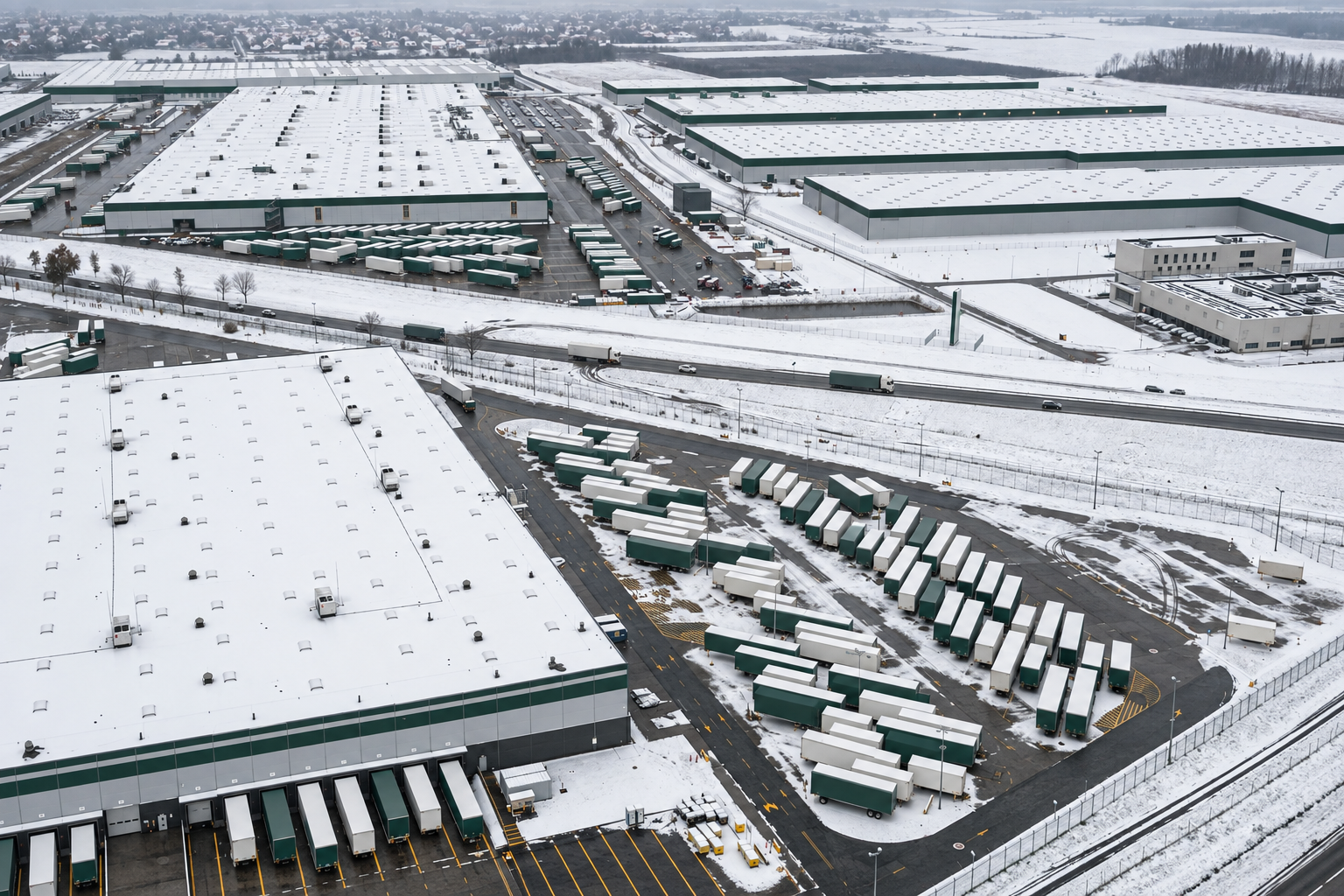
Le calcul concernant la logistique en haute saison est simple : les arrivages augmentent tandis que les expéditions diminuent. Cependant, ce qui ressemble à un problème d'entrepôt en octobre trouve généralement son origine dans un manque de planification en août.
Plusieurs facteurs accélèrent la crise :
- Les marchandises entrantes arrivent en avance sur l'horaire prévu, et il n'y a aucune marge de manœuvre pour les expéditions anticipées.
- Les matériaux d'emballage, le carton ondulé et les fournitures s'accumulent avant même le début de la production.
- Les articles retournés des saisons précédentes prennent encore de l'espace en magasin, si bien que les nouveaux arrivages se transforment en surplus de stock dès leur arrivée.
- Les retards des transporteurs et des ports font acheminer les conteneurs tous en même temps, transformant un volume gérable en un véritable déluge.
Lorsque la planification de la capacité d'un entrepôt attend que celui-ci soit déjà saturé, les solutions de rechange deviennent rapidement onéreuses. On se retrouve alors avec des baux d'entrepôt signés à la hâte, des solutions de stockage externes difficiles d'accès ou des frais de surestaries qui s'accumulent pendant que les conteneurs attendent un emplacement.
Le coût de l'attente
Un partenaire d'entreposage régional faisait face à des retards de conteneurs sur deux sites, avec des frais de surestaries dépassant les 10 000 $ par jour. Il avait besoin d'espace d'entreposage supplémentaire de toute urgence. Il a fait appel à Warehouse on Wheels, qui a mis en place des capacités de stockage temporaires sur les deux sites, et les frais de surestaries ont cessé.
C'est un bon résultat, mais il aurait pu être excellent. Cela a coûté plus cher que nécessaire, car les dépenses étaient déjà engagées avant même que quiconque ne prenne la décision. La plupart des difficultés rencontrées au quatrième trimestre s'expliquent par le même problème : les entreprises commencent à planifier trop tard, alors même qu'elles savent que le quatrième trimestre arrive à la même période chaque année.
La planification de la capacité des entrepôts pour le quatrième trimestre devrait commencer dès l'été, et non en octobre. Lorsque l'entreposage des stocks pendant les fêtes de fin d'année devient un problème concret, les solutions pour le gérer sont déjà bien limitées.
Comment les entreprises augmentent leurs capacités avant la crise
L'entrepôt sur roues livre remorques de stockage de 16 mètres directement à votre entrepôt, centre de distribution ou chantier. Elles arrivent à quai, prêtes à être chargées, et la location est sans engagement, au mois.
Voici comment les entreprises les utilisent pour se préparer au quatrième trimestre :
- Préparation des stocks avant la haute saison, afin que l'espace de l'entrepôt reste dégagé pour les opérations de préparation et d'emballage.
- Entreposer les matériaux d'emballage, le carton ondulé et les fournitures hors de la chaîne de production jusqu'à ce qu'ils soient nécessaires.
- Créer une réserve pour les arrivages anticipés, afin que les conteneurs soient déchargés comme prévu et que les frais de surestaries n'aient pas le temps de s'accumuler.
- Augmenter les capacités sur plusieurs sites simultanément, sans reconfigurer une seule installation.
Une chaîne de quincaillerie a maintenu ses stocks bien approvisionnés malgré la demande saisonnière en augmentant sa capacité de stockage. remorques Les stocks étaient répartis dans plusieurs régions, puis retournés après la saison. Grâce à des contrats mensuels, la réduction des stocks saisonniers se faisait aussi facilement qu'à l'augmentation.
À quoi ressemble vraiment la chronologie
Les entreprises qui gèrent le quatrième trimestre sans difficulté adoptent généralement une approche similaire. Elles anticipent les pénuries de capacité de la chaîne d'approvisionnement, réservent des entrepôts temporaires avant le début des expéditions et constituent des stocks en prévoyant une marge de manœuvre pour de nouvelles livraisons.
Voici à quoi ressemble une fenêtre de planification pratique :
- Août : Vérifier la capacité actuelle des entrepôts par rapport au volume d'entrées prévu pour le quatrième trimestre. Identifier l’écart.
- Début septembre : contactez Warehouse on Wheels pour vérifier la disponibilité des remorques de stockage et planifier la livraison. La plupart des clients reçoivent leur remorque en moins de 24 à 48 heures, mais réserver tôt vous offre plus de flexibilité.
- Mi-septembre : Entreposage remorques sont sur place. Les matériaux d'emballage, les premières marchandises arrivantes et les stocks excédentaires sont entreposés. remorques Votre entrepôt reste libre pour les opérations.
- D'octobre à décembre : Ajuster la capacité en fonction des variations de volume. Entreposage remorques On reviendra à la fin de la saison, selon ton emploi du temps.
C'est cette période de planification qui évite que le quatrième trimestre ne se transforme en course contre la montre.
Les chiffres à la base de la décision
Lorsque les équipes comparent des solutions de gestion des surplus d'entrepôt, la décision se résume généralement à un critère de coût. Stockage temporaire remorques Les remorques de stockage coûtent jusqu'à quatre fois moins cher au mètre carré que les entrepôts traditionnels. Pour la plupart des opérations du quatrième trimestre, le coût de quelques mois de location est largement compensé par les économies réalisées sur les frais de surestaries, les pertes de main-d'œuvre et les coûts d'entreposage d'urgence qu'elles permettent d'éviter.
Warehouse on Wheels dessert plus de 6 000 clients dans les secteurs de la fabrication, de la vente au détail et de la distribution. Les économies cumulées de cette clientèle se situent entre 80 et 100 millions de dollars par an. Ce chiffre provient presque exclusivement d'entreprises ayant anticipé leurs besoins.
Un seul appel suffit pour commencer.
L'entrepôt sur roues possède plus de 40 emplacements aux États-Unis, au Canada et au Mexique, avec des dizaines de milliers de remorques de stockage prêtes à être déployées. Pour préparer votre saison du 4e trimestre, contactez votre équipe Warehouse on Wheels locale ou demandez un devis en ligne . Vous obtiendrez les disponibilités et les tarifs en quelques heures, et remorques de stockage seront sur place avant le début de la saison.