Storage Trailers vs. Other Temporary Storage Options: How to Choose
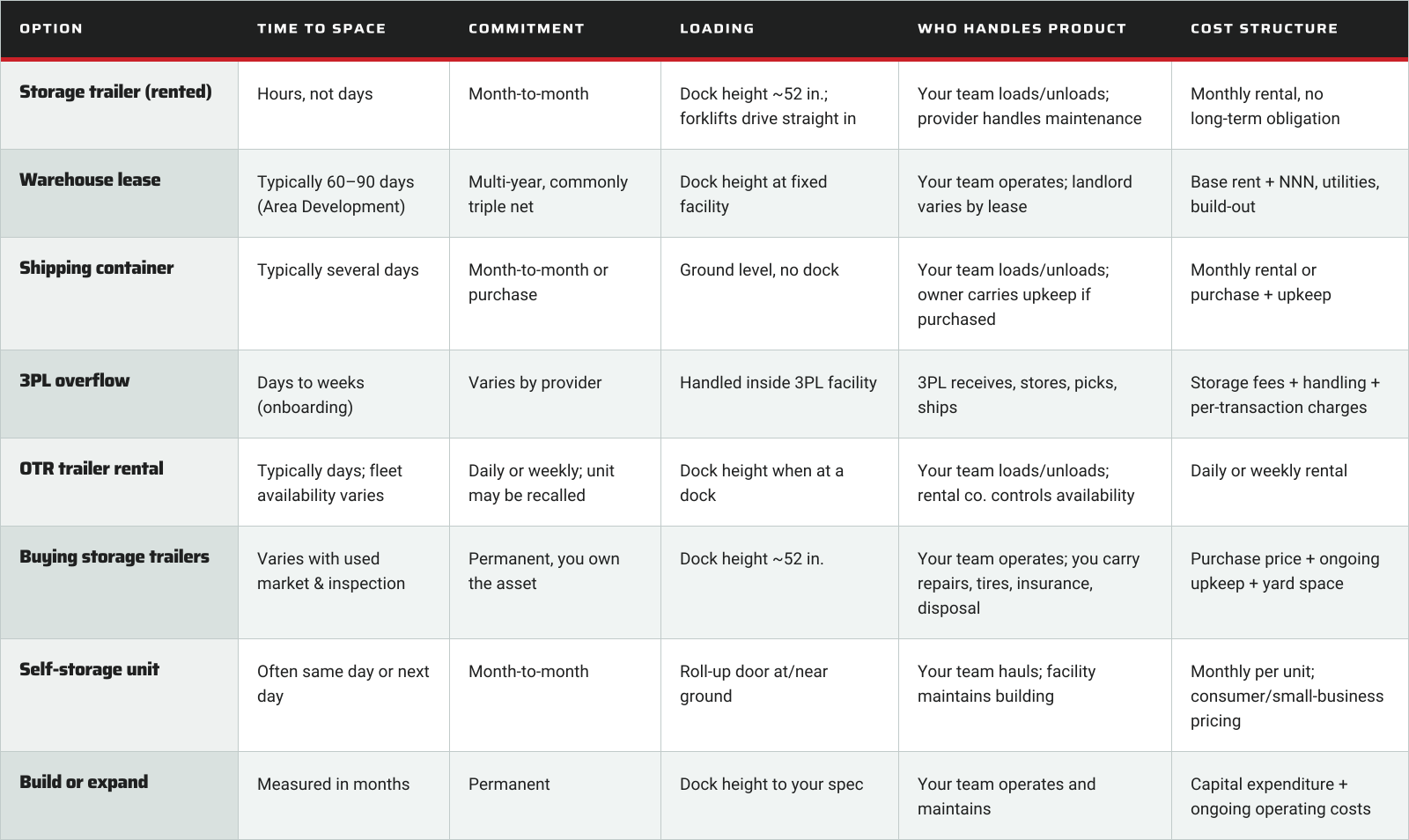
The right temporary storage option depends on how long you need the space, how fast you need it, and whether you load from a dock. Storage trailers are the fastest to add and sit at dock height, so forklifts drive straight in. A warehouse lease fits permanent, steady volume, containers fit ground-level jobsites, and 3PL space fits inventory you want fully handled by someone else.
Every option on this page solves a space problem. The work is figuring out which one solves yours.
Four questions settle it. How long will you need the space? How fast do you need it? How does your crew load product? And do you want to handle the inventory yourself or hand it to somebody else? A VP of Operations signing off on a multi-year commitment is weighing different things than a general manager who needs to know whether a forklift can drive straight in off the dock. Both answers are below.
Find the option you’re weighing, read the short version here, then follow the link to the full comparison for the detail that matters to your situation. If you want to put numbers to it before you decide, the Savings Calculator is at the bottom of the page.
Storage trailer or warehouse lease: Which costs less?
A warehouse lease earns its keep when volume is steady and permanent. You get a building, a dock, and a footprint you can plan around for years.
For a seasonal swing or a single project, the math gets harder. A lease usually means a multi-year term, a build-out, and NNN charges that keep running in the months you aren’t using the space. The pallets that pushed you over capacity in October will be gone by February. The lease won’t be. That gap between what you need in peak and what you pay for in the slow months is where the money goes.
Storage trailers give you dock-height industrial space on month-to-month terms. You add them when inventory climbs, and they leave when it sells through. A manufacturer running a hub-and-spoke setup across several plants can park storage trailers at each location, clear the production floor, and scale the count up or down with the season without renegotiating anything.
“You can’t flex a building, but you can flex a rental fleet. By sizing permanent facilities closer to average inventory and using storage trailers to manage the peaks, we’ve been able to reduce the need for costly third-party warehouse square footage.”
— Former AVP, Network Transformation, national retailer
Storage Trailer vs. Warehouse Lease
Storage trailer or shipping container?
Containers sit on the ground. On a jobsite, a yard, or a construction project with no dock in sight, that’s exactly what you want. A contractor storing tools, fixtures, and electrical components wants a lockable box at ground level where crews can walk in and grab what they need.
At a warehouse, ground level changes the work. Every pallet comes off a forklift and goes in by hand, or you build a ramp and accept the extra handling, the pitch, and the safety conversation that comes with running a lift truck up an incline all day. Multiply that across a few hundred pallets and the labor cost is real.
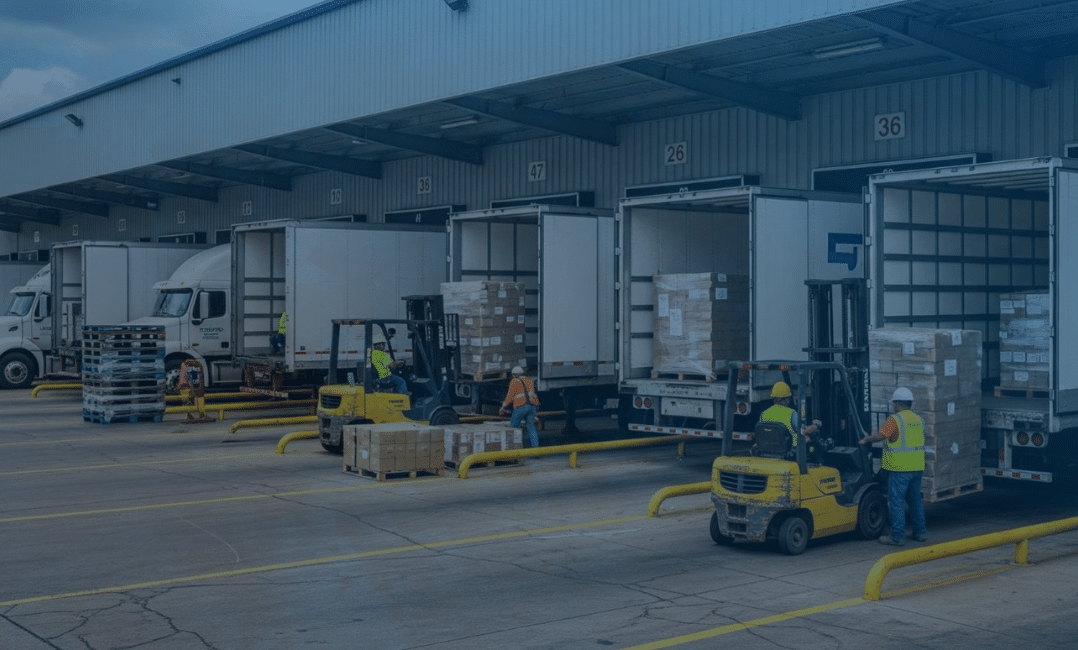
Storage trailers meet your dock at about 52 inches. Forklifts drive straight in from receiving, and product moves the same way it moves everywhere else in your building. No ramp, no re-handling, no separate process for the overflow stock.
Both have a place. Warehouse on Wheels rents ground-level containers too, because fireworks vendors, contractors, and project teams often need exactly that. The question is where the space sits and how your crew gets product in and out of it.
Should overflow go to a 3PL or stay at your dock?
A 3PL takes the whole job off your hands. Receiving, storing, picking, shipping, and the labor behind all of it. For businesses without the staff or the square footage to run an overflow operation, that’s a sound call, and plenty of good ones do excellent work.
The tradeoff is distance and touches. Your product sits across town. Every time you need it back, there’s handling on their end, transit in between, and a wait on yours. For slow-moving stock or inventory you’ve fully outsourced, none of that hurts. For overflow your team reaches into on short notice, it adds friction at the exact moment you can least afford it. The fees follow the same pattern, since each touch and each transaction carries a charge.
Storage trailers keep overflow at your own facility, under your own control. Your crew pulls from a storage trailer at the dock the same way they pull from a rack inside. Nothing moves until you move it.
Many 3PLs rent storage trailers themselves. When a client’s freight lands early or containers back up, storage trailers become overflow space without reconfiguring the building.
Storage trailer or a regular trailer rental?
Over-the-road (OTR) trailers are rented to haul freight. Storage trailers are rented to sit at your site and hold it. The equipment can look similar in the yard, but the rental behind it is built for a different job.
With an OTR rental, the provider is managing a fleet that needs to stay in motion. The agreement is typically written in days and weeks, availability moves with freight demand, and the unit may be called back when a load needs covering. If your storage need runs long, you’re renegotiating or repositioning on somebody else’s schedule.
A storage trailer rental assumes the unit stays put. Placement is coordinated for your operation, whether that’s dock high, in the yard, or in a secured area. Terms run month-to-month, so a four-month need and a fourteen-month need are handled the same way. And when something needs attention, your local Warehouse on Wheels shop sends a service truck and fixes most issues on site, because a storage trailer that’s down is square footage you’re paying for and can’t use.
Should you rent storage trailers or buy them?
Should you rent storage trailers or buy them?
A used storage trailer’s price tag can look like a few months of rent, and for some operations, owning pencils out. If you use the same number of units every month of the year, every year, and you have the yard space and a shop that can keep them running, buying is a reasonable path.
Owning comes with the rest of the job. Repairs, tires, doors, floors, insurance, moving units between sites, yard space during the slow season, and disposal at the end of the trailer’s life. Those costs don’t show up on the purchase price, and they don’t take a season off when your volume does. Most operators underestimate the maintenance line until the first time a door jams on a loaded unit in January.
Renting fits a need that swings. Many of our customers flex by hundreds of storage trailers over a year with no penalty for the movement. A common setup: own a baseline fleet for the volume you can count on, rent the rest for peak, then send the rented units home when the peak ends.
Is it time to expand, or is this a temporary spike?
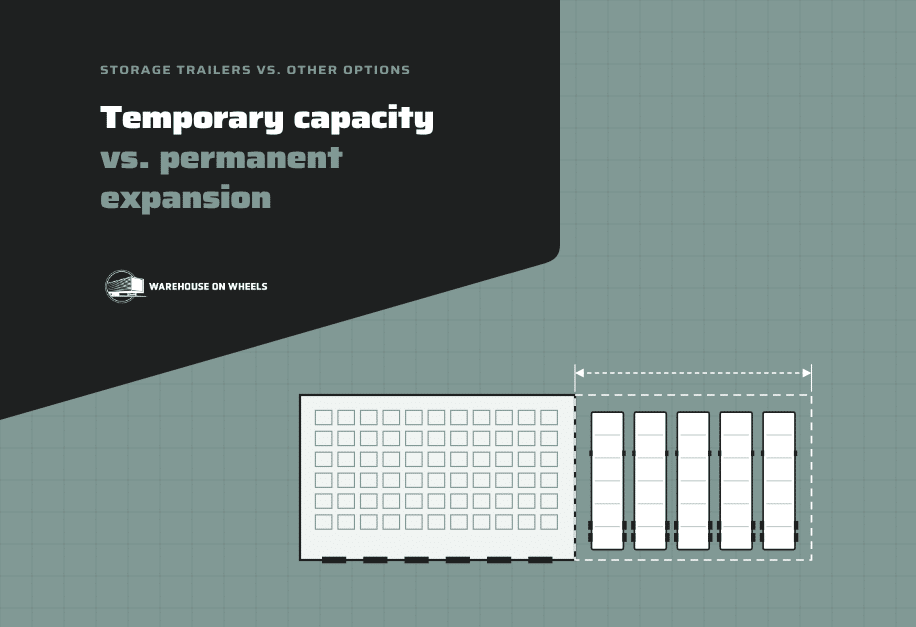
Building out, adding on, or moving to a bigger facility is the right answer when the extra volume has become your new baseline. If you’re running at capacity every month and the forecast says that holds, permanent space is worth the capital and the wait.
If the need is seasonal, tied to a project, or still unclear, a permanent decision is a big answer to a question that hasn’t finished being asked. Construction timelines run long, capital gets committed early, and you’re locked in before you know whether the demand that triggered it sticks around. Temporary capacity covers the volume while you gather the data.
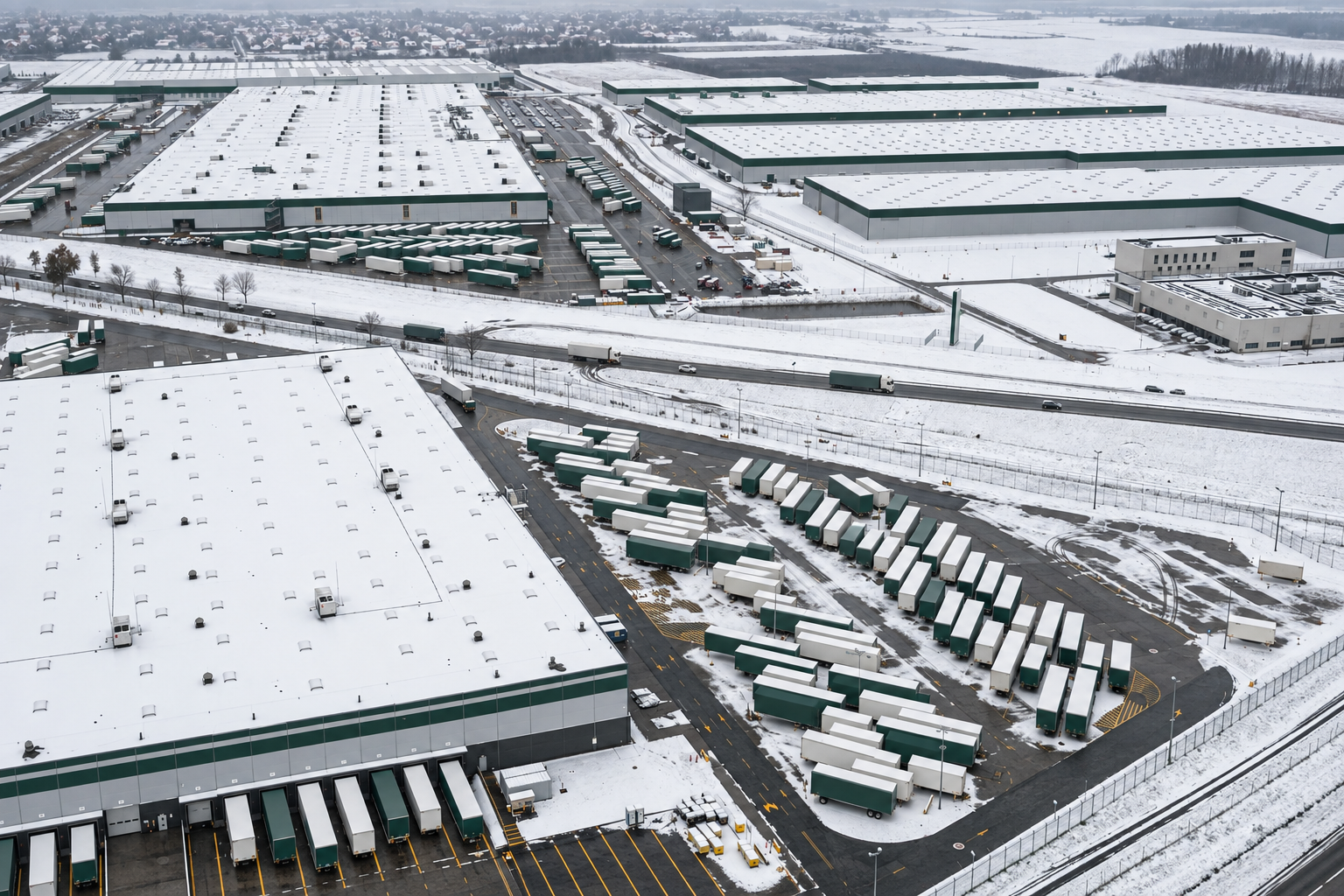
The two work together more often than operators expect. A specialty chemical producer stored finished product in Warehouse on Wheels storage trailers onsite while a new warehouse went up. A building materials manufacturer leaned on storage trailers through a construction boom, then scaled back when the season turned. Storage trailers carry the load at your dock while the permanent answer gets planned and built.
One operations leader described reaching that point this way:
“We often got caught with less space than we needed, at least for three or four months until we somehow cleared that out either by selling more or just building out more. It happened for the first 8 years here before we found a relief button.”
— VP Operations and Logistics, major electronics distribution company
That relief button is now a standing part of how their operation handles peaks.
Temporary Capacity vs. Permanent Expansion
Storage trailer or a self-storage unit?
Self-storage does a specific job well. Small amounts of stock, documents, display materials, and anything that needs climate control fit a storage unit fine, especially if your site has no room to spare.
Pallets are a different story. A self-storage unit means a drive across town every time you need product, loading by hand or hand truck through a roll-up door, and no connection to your receiving process. There’s no forklift access in most facilities and no way to fold the space into how your warehouse actually runs. For a few boxes, that’s a minor inconvenience. For bulk inventory moving in and out weekly, it becomes a daily labor cost and a scheduling problem.
A storage trailer sits at your own dock or in your own lot. Product moves by forklift or pallet jack, and your crew reaches it without leaving the property. If your site has no room, drop lot storage keeps the units at a Warehouse on Wheels location and brings them to you when you need them.
Frequently asked questions
What is the cheapest temporary storage option for a business?
Look at the cost structure. A warehouse lease carries base rent, NNN charges, utilities, and build-out across a multi-year term, even in the months the space sits half empty. A 3PL charges for storage plus every touch. Self-storage is cheap per unit but priced and sized for small volume. Storage trailers run month-to-month with no long-term obligation, so you pay for capacity only while you’re using it.
For the full picture run your numbers in the Savings Calculator.
How fast can I add temporary storage space?
Storage trailers are the fastest option. Warehouse on Wheels delivers in hours, not days, from more than 40 locations. Self-storage and container rentals are generally available within a few days. A 3PL takes days to weeks depending on onboarding. A warehouse lease typically takes 60 to 90 days to find and negotiate, and building or expanding is measured in months.
Is it better to rent or buy storage trailers?
It comes down to how much your need swings across the year. Renting fits seasonal peaks, project work, and volume that’s still growing. Buying fits a steady, year-round need for the same units, assuming you have the yard space and the shop to maintain them. Plenty of operators do both, owning a baseline fleet and renting for peak.
When does a warehouse lease or expansion make more sense than trailers?
When the extra space has become your permanent baseline. If you’re at capacity every month and the forecast holds, a long-term commitment starts to earn its cost. If the need is seasonal, project-based, or still uncertain, a multi-year lease commits you before you have the data. See Storage Trailer vs. Warehouse Lease and Temporary Capacity vs. Permanent Expansion.
Do storage trailers need a loading dock?
No. Dock-height placement is the most efficient setup, since forklifts drive straight in at about 52 inches with no ramp. Storage trailers can also be worked from ground level with a ramp, staged in the yard, or kept on a Warehouse on Wheels drop lot when your site has no room. Your local general manager can look at your layout and tell you what fits.
Not sure which option pencils out for your situation? Run your numbers before you call.
Run your numbers in the Savings Calculator
Or call your local Warehouse on Wheels team. We’ll tell you straight if storage trailers aren’t the right answer for what you’re describing. Warehouse on Wheels operates from more than 40 locations across the United States, Canada, and Mexico, and one call connects you to a general manager who knows your market and what’s available this week.
Find your local Warehouse on Wheels team