
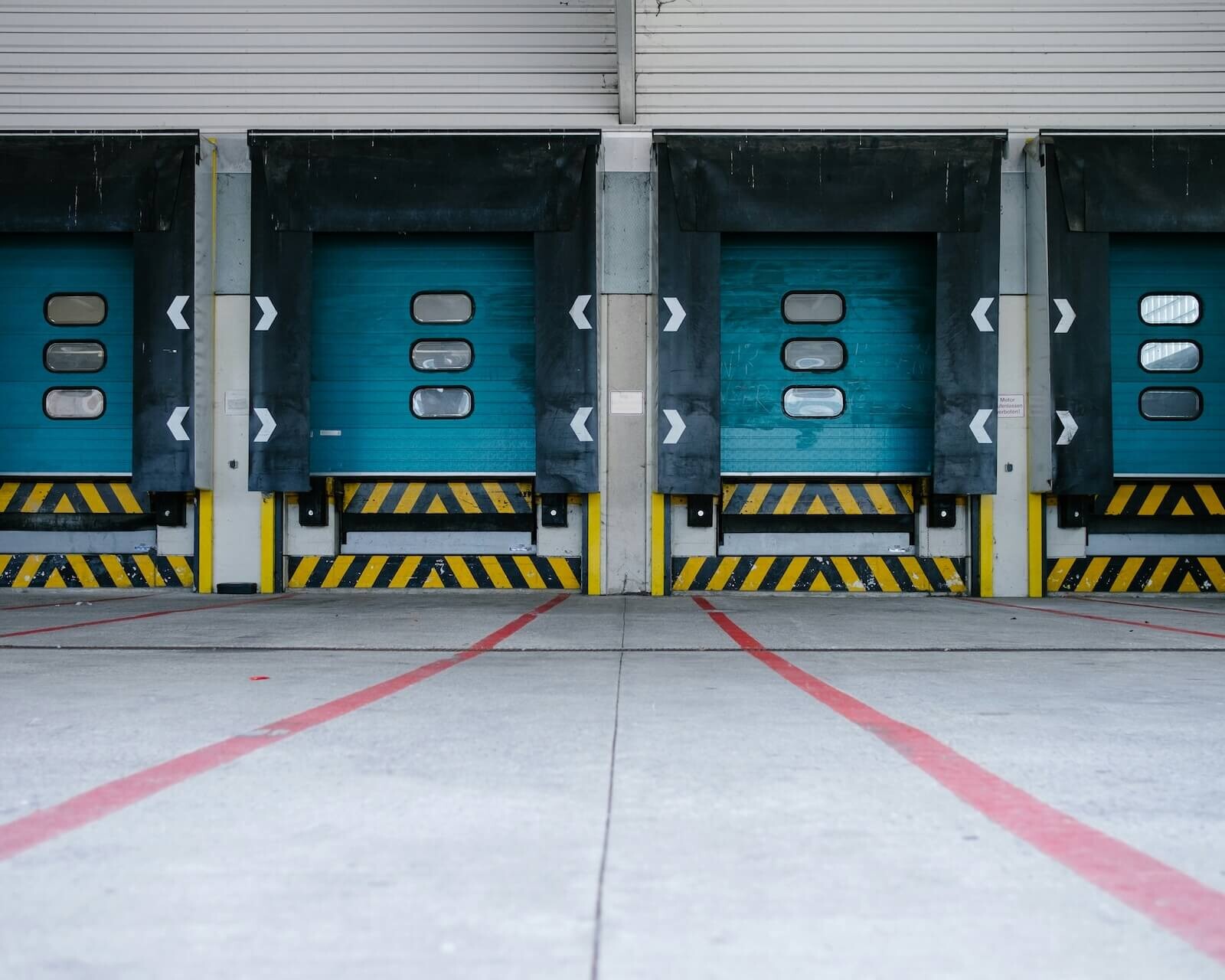
Why Fixed Warehouse Capacity Breaks Under Real-World Pressure
In an unpredictable business environment, fixed warehouse capacity breaks and mobile warehousing steps in.
Warehousing has become one of the most constrained parts of the modern supply chain. Demand swings faster, inventory sits closer to customers and delivery windows continue to tighten. Yet capacity decisions still rely on fixed buildings and long-term commitments that can’t keep pace.
According to Prologis, warehouse utilization in the U.S. continues to climb as companies work through excess space and push existing facilities closer to functional capacity. At the same time, demand for modern logistics space in key markets remains competitive, tightening availability just as businesses need more flexibility.
When a warehouse hits its limit, the effects compound quickly:
- Employees spend more time moving freight than processing it.
- Safety risks rise as floors grow crowded and aisles narrow.
- Receiving slows as inbound freight waits for space to open up.
- Outbound throughput slips as orders queue behind congestion at the dock.
- Inventory gets staged in nonstandard locations, eroding visibility and accuracy.
- Sustainability targets get harder to meet as congestion drives excess handling, rework and unnecessary shuttle moves.
- Labor costs climb as teams handle the same pallets multiple times.
- Service levels slip because shipping windows get missed or orders ship incomplete.
- Costs rise as teams rely on detention, demurrage and temporary overflow solutions that often outlast the original problem.
“When a warehouse hits 100% capacity, it doesn’t just feel full, it becomes paralyzed,” says Brent Meadors, COO at Warehouse on Wheels (WOW). “You start playing a game of freight Tetris, which is a massive productivity killer.”
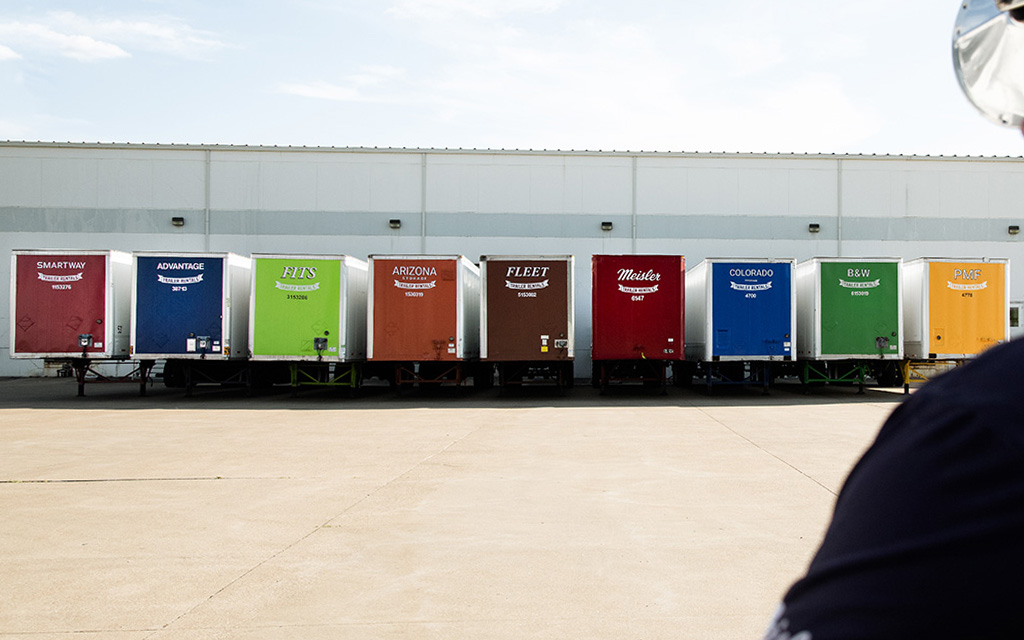
Mobile warehousing addresses the problem head-on by restoring flow without forcing permanent expansion. On-demand, trailer-based capacity adds space at the point of activity, relieving pressure where it builds. Inventory stays accessible; inbound and outbound regain balance; and teams can respond to short-term shifts without reworking the entire facility.
Avoiding the Snowball Effect
When warehouse space runs out, organizations can’t wait around for construction timelines, permitting cycles or long-term leases to catch up with demand. Inventory still arrives, orders still ship and service expectations don’t pause. Without a way to absorb pressure in the moment, congestion builds, flow slows and small disruptions escalate quickly.
The consequences extend far beyond the warehouse floor. “Once flow breaks down, it’s not just an efficiency problem,” Meadors says. “It starts affecting safety, morale and service. And with no way to relieve the pressure, those problems just continue to snowball.”
That snowball effect is exactly why mobile warehousing has become a cross-functional conversation. It gives operations teams a way to restore flow without redesigning facilities, helps finance avoid locking capital into fixed space and allows sales and customer service to protect delivery commitments during demand spikes. Because it keeps inventory close to the point of activity, flexible capacity delivers immediate value by:
- Restoring dock flow without the need for permanent construction or costly leased space.
- Reducing detention, demurrage and emergency storage costs.
- Protecting service levels during short-term demand surges.
- Improving safety by reducing congestion and rehandling.
- Syncing capacity costs with actual business conditions.
These are just some of the operation-wide benefits companies can expect from using on-demand mobile warehousing. Instead of treating capacity as a fixed constraint, they’re adopting flexible space and turning it into a strategic lever. In a supply chain environment defined by uncertainty, that flexibility can quickly become a competitive advantage.