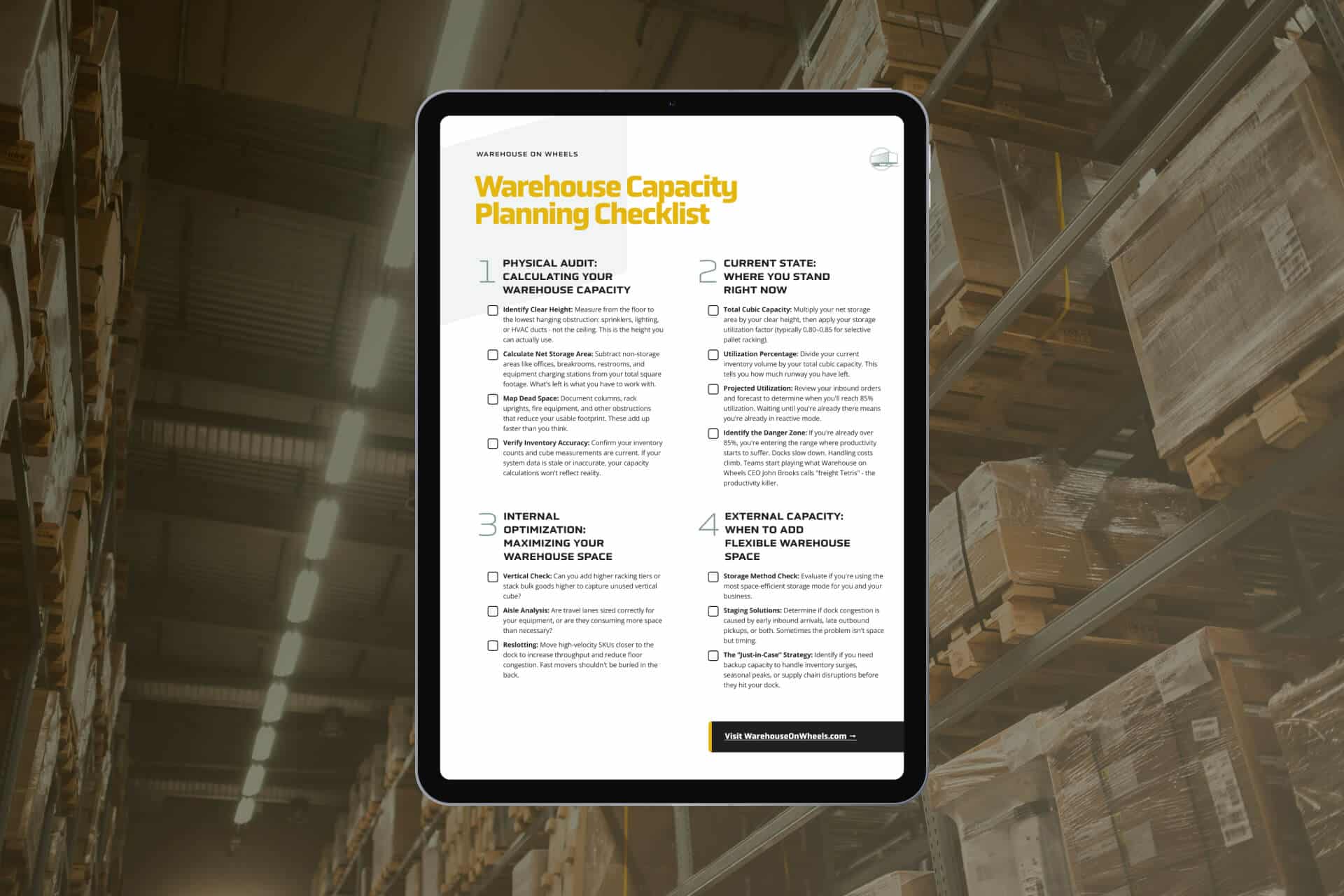


Warehouse Capacity Planning: When Is the Right Time for Mobile Storage?
Flexible, trailer-based capacity delivers value across your entire organization, adding space without forcing tradeoffs in cost, service, or long-term commitments.
What Is Warehouse Capacity Planning?
Warehouse capacity planning aligns your storage space, labor, and equipment with anticipated demand. The goal is straightforward: meet volume requirements without overspending on unused space or scrambling when you run short.
Effective capacity planning delivers measurable outcomes across your operation:
- Higher space utilization: getting more from existing square footage before investing in expansion
- Lower handling costs: reducing the double-handling and workarounds that consume labor hours
- Faster fulfillment: maintaining flow so orders ship complete and on time
- Deferred capital expenditure: avoiding or delaying costly facility expansion by optimizing current assets
Why Capacity Constraints Hit Every Part of Your Business
Warehousing is one of the most constrained, inflexible parts of the modern supply chain. Space is limited. Industrial lease rates have skyrocketed. Long-term commitments are difficult to justify as demand shifts and customer preferences evolve.
Adding fuel to the fire: the $6.4 trillion global e-commerce channel has pushed inventory closer to customers, shortened delivery timelines, and magnified the impact of seasonal spikes and disruptions.
These pressures extend well beyond the warehouse floor. They show up as real constraints for stakeholders across the organization, each of whom benefits differently when flexible, trailer-based capacity enters the picture:
| Stakeholder | Pain Point | How Mobile Storage Helps | Measurable Outcome |
|---|---|---|---|
| Corporate Executives | Pressure to build resilience without overextending | Adds capacity without long-term commitment | Organizational agility; reduced fixed-cost exposure |
| CFO / Finance | Capital tied up in fixed facilities | Converts CapEx to variable OpEx | Lower total cost of occupancy; capital preserved for core investments |
| Operations | Dock congestion; aisle storage | Adds capacity at point of need | Clears docks; restores flow within days |
| Supply Chain | Inbound/outbound sync issues | Buffers inventory near production | Protects production schedules during demand spikes |
| Sustainability / EHS | Excess miles; facility footprint | Eliminates shuttle runs to overflow sites | Reduced emissions; fewer safety incidents from crowding |
| Sales / Customer Service | ATP confidence; missed commitments | Inventory stays accessible and accurate | Improved on-time delivery; fewer stockouts |
Combined, these constraints expose your organization to higher costs, service disruptions, and lower profits. When space is tight and capacity inflexible, it impacts everything from inventory management to labor planning to order fulfillment. What begins as a warehousing challenge quickly becomes an enterprise-level risk.
The sections that follow break down how to assess current capacity, forecast future needs, optimize existing space, and determine when and how to expand, giving operations, finance, and leadership a shared framework for capacity decisions.
How Do You Calculate Warehouse Capacity and Utilization?
Most warehouse managers know their square footage. Fewer know their actual usable capacity, and that gap is where space problems start.
Before you can plan capacity, you need to know what you have. That starts with measuring your facility accurately and understanding the difference between the space on your lease and the space that actually holds inventory.
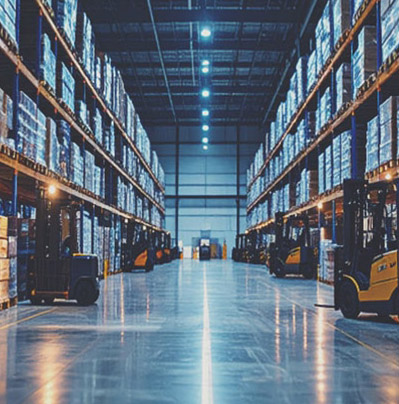
Warehouse capacity is three-dimensional. A facility with 60,000 square feet of net storage and 28 feet of clear height has far more usable volume than one with 12-foot ceilings. Cubic storage capacity accounts for this:
Net storage area × clear height × storage utilization factor = cubic storage capacity
The storage utilization factor adjusts for the realities of your racking and handling equipment. Selective pallet racking typically uses a factor between 0.80 and 0.85. Drive-in or push-back systems run higher. Floor stacking without racking runs lower. The factor reflects how much of your theoretical cube you can actually access and use.
Once you know your cubic capacity, utilization becomes straightforward:
Inventory cubic volume ÷ cubic storage capacity × 100 = utilization percentage
This tells you how much of your available capacity is currently occupied, and how much headroom you have before operations start to feel the squeeze.
Important: The formulas only work if your inputs are realistic. Clear height is not ceiling height. It’s the distance from the floor to the lowest obstruction: sprinkler heads, lighting, beam structures, or HVAC ducts. Building columns, fire suppression equipment, and rack frame footprints all reduce usable space.
Different areas of the warehouse operate differently. Reserve storage, forward pick zones, bulk floor storage, and value-added services areas each have their own density characteristics and utilization factors. Documenting assumptions by zone gives you a more accurate picture than applying a single factor across the entire facility.
When these numbers tell you you’re running out of room, or worse, when congestion tells you before the numbers do, that’s when flexible capacity options become critical. The next section breaks down what happens when the dock becomes a bottleneck.
6 Common Mistakes in Warehouse Capacity Calculations
Capacity calculations are only as reliable as the inputs. These errors most commonly lead to overstated or misleading numbers:
- Counting aisles and travel lanes as storage space. These areas are necessary for operations but do not hold inventory. Including them inflates your capacity on paper while leaving you short in practice.
- Using building height instead of clear height. Sprinklers, lighting, and ductwork all reduce usable vertical space.
- Ignoring column and rack footprints. Structural columns and racking frames occupy floor space that cannot hold product. The impact adds up across a large facility.
- Applying one utilization factor across the entire building. A reserve storage zone with drive-in racking and a forward pick area with carton flow operate at very different densities. Using a single factor for both masks the true picture.
- Forgetting about staging and replenishment buffers. Inbound staging, outbound staging, and replenishment lanes temporarily consume space your static calculation may not account for.
- Not revisiting assumptions after changes. A shift in SKU mix, new packaging dimensions, or a change in handling equipment can invalidate calculations that were accurate six months ago.
What to do When the Dock Becomes a Bottleneck
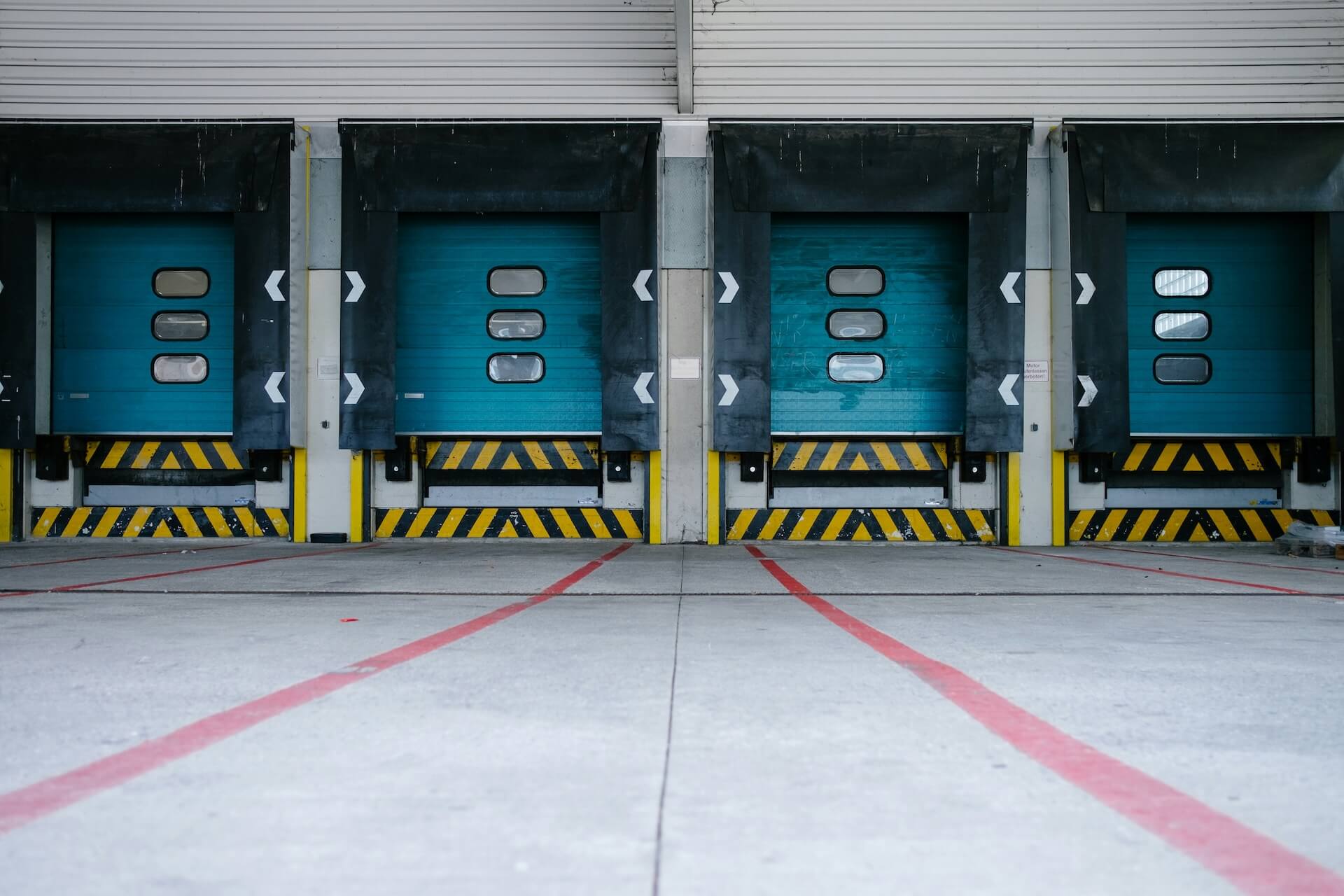
Most operations don’t have the room they need when they need it. Docks clog. Inbound gets pushed out. Outbound slips. Teams scramble to create temporary workarounds.
Seasonal peaks, network changes, and project work all add pressure to footprints that can’t flex quickly. Existing facilities may be full, delayed, or simply not in the right place at the right time.
These companies don’t need more buildings. They need flexible space that can be deployed quickly and seamlessly.
Mobile storage provides immediate relief at the dock, reduces pressure when demand spikes, and eliminates the lease commitments and capital costs associated with traditional expansion. On-demand trailer-based capacity offers clear advantages for finance, executive, operations, supply chain, and sustainability teams, all within a simple approach that fits seamlessly into existing workflows.
“Most facilities are trapped in static capacity models that can’t keep up with fast demand swings. Suddenly the dock is a bottleneck. When you run out of floor space, you start storing product in the aisles and the ‘over-complication virus’ sets in.”
— John Brooks, CEO, Warehouse on Wheels (WOW)
Moves take longer. Receiving slows down. Labor costs climb as teams spend time shifting the same pallet multiple times just to reach what they need. It’s not just a space problem, it’s a total loss of momentum for your entire operation.
That dynamic played out recently at a consumer packaged goods (CPG) manufacturer that needed to pivot quickly to support a short-lived product trend. The company reworked its production lines to chase demand, but doing so meant clearing space fast without pushing inventory far out of reach. Permanent expansion wasn’t an option, and sending product miles away would have slowed the operation just as timing mattered most.
“What we see in situations like that isn’t poor planning. It’s timing. Inbound and outbound fall out of sync for reasons no one can predict, and suddenly the space you have doesn’t match the business you’re trying to run.”
— Jim Perry, Director, Commercial Business, WOW
By creating temporary capacity near the point of activity, the CPG kept inventory moving and protected production flow during the demand surge. Keeping that inventory nearby made the difference, it allowed the operation to pivot quickly without disrupting the rest of the facility once demand normalized.
Freight Tetris: The Productivity Killer
Lack of space and capacity forces teams into reactive mode as freight sits longer than it should. The ripple effects are immediate:
- Employees spend more time moving product than processing it
- Safety risks increase as floors grow crowded
- Finance absorbs unplanned costs as operations turn to emergency storage, long leases, or stopgap solutions that outlast the actual need
The problem doesn’t end there. Over time, it shows up in missed inventory turns, higher transportation costs, and frustrated customers.
“When a warehouse hits 100% capacity, it doesn’t just feel full, it becomes paralyzed. You start playing a game of ‘freight Tetris,’ which is a massive productivity killer.”
— John Brooks, CEO, WOW
Those breakdowns show up quickly in the P&L:
- Detention and demurrage fees climb when trailers can’t be unloaded fast enough
- Shipping windows get missed and service levels drag down amid congestion
- Crowded docks and makeshift storage turn into safety risks as aisles narrow and temporary workarounds become permanent fixtures
The operation that’s moving inefficiently isn’t generating revenue. An overcrowded dock is the quickest way to bring everything to a standstill.
Once an operation reaches that standstill, the effects extend well beyond freight flow:
- Inventory sits longer than planned, ties up working capital, and distorts cash flow forecasts
- Higher detention and demurrage charges as trailers wait to be unloaded
- Rising transportation costs as teams resort to offsite storage or longer repositioning moves
- Inventory accuracy declines because product gets staged in nonstandard locations
- Service levels slip when shipping windows are missed and orders ship late or incomplete
- Sales and customer service lose confidence in available-to-promise inventory
- Sustainability goals become harder to meet as congestion drives excess handling, rework, and unnecessary miles
That breakdown also shows up on the human side of the operation. Employees are still measured on picking rates and productivity metrics, even as conditions outside their control slow them down. Frustration builds. Morale suffers. Delays compound as backups trigger more backups downstream.
“Once flow breaks down, it’s not just an efficiency problem. It starts affecting safety, morale, and service. And with no way to relieve the pressure, those problems just continue to snowball.”
— Brent Meadors, COO, WOW
What Are the Best Strategies to Expand Warehouse Capacity?
With permanent space costly, scarce, and difficult to scale, companies are rethinking how they add storage, staging, and fulfillment capacity to existing operations.
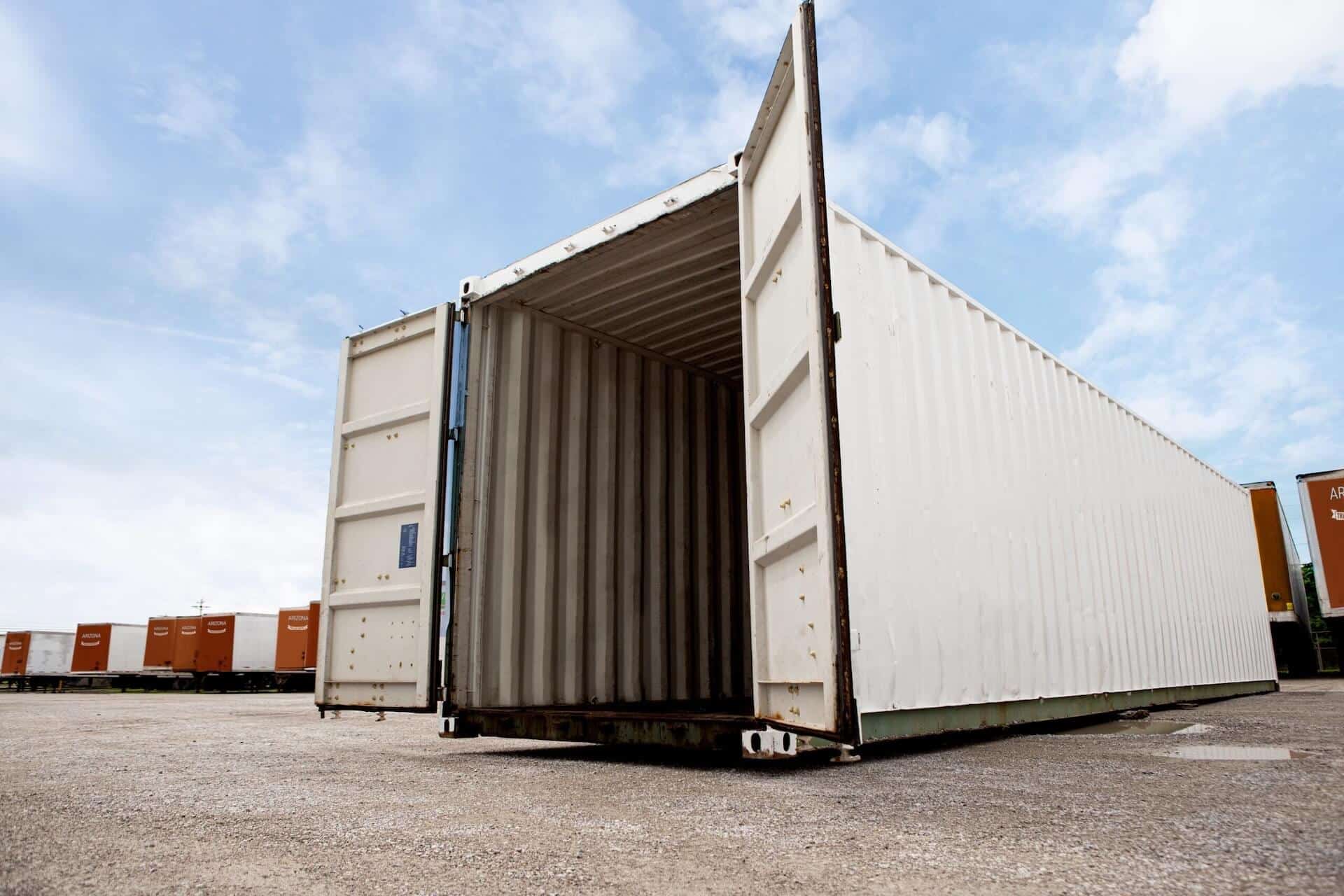
Instead of forcing companies into long-term leases or months-long construction projects, trailer-based capacity acts as a flexible storage layer, adding space exactly when and where it’s needed. When volume spikes pass or conditions normalize, that capacity and cost both go away.
Mobile storage shifts capacity from a fixed capital decision to a variable operating expense that scales with demand.
“The math is hard to argue with. When you look at the total cost of occupancy, trailer storage is up to 4X less expensive per square foot than a traditional building. Mobile storage turns a massive, fixed capital expense into a manageable, variable operating cost that aligns with actual revenue.”
— John Brooks, CEO, WOW
| Factor | Traditional Warehouse Lease | Warehouse on Wheels Mobile Storage |
|---|---|---|
| Average cost per sq ft | Higher per-sq-ft cost + NNN fees | Up to 4X less expensive (varies by market and use case) |
| Maintenance/operating costs | Triple-net (NNN) expenses add to base lease | Maintenance included; no NNN pass-throughs |
| Lease commitment | 5-7 years typical | Month-to-month |
| Time to add capacity | 6-18 months (permits, construction, buildout) | 24-48 hours |
| Scalability | Fixed footprint for lease term | Scale up or down as demand shifts |
| Capital treatment | Fixed asset (CapEx) | Variable operating expense (OpEx) |
| Risk if demand drops | Stranded capacity; ongoing lease obligation | Return trailers; costs stop immediately |
Actual cost savings vary by location, duration, and use case. Contact Warehouse on Wheels for a customized analysis.
Don’t Get Caught in the Storm of Inefficiency
Many of today’s capacity problems weren’t created inside the warehouse. Tariffs and shifting trade policies continue to complicate sourcing decisions. Global supply chains remain vulnerable to disruption. The warehouse labor shortage shows no sign of easing.
At the same time, e-commerce continues to reshape demand. Online sellers are expected to account for nearly 25% of new warehouse leasing in 2026, as the share of goods sold online approaches 20% globally by year’s end.
That shift is pushing companies to move inventory closer to customers, respond faster to demand swings, and absorb volatility without breaking service commitments. The result? More pressure than ever on facilities that were never designed to flex at today’s pace or scale.
These external forces are colliding with a tightening real estate market. U.S. warehouse utilization is climbing as customers work through excess space and push existing facilities closer to functional capacity. Demand for modern logistics space in key U.S. markets will rise this year as vacancy tightens and competition for well-located buildings increases.
As more companies max out their current warehouse footprints, adding traditional space takes time, resources, and money that most organizations don’t have to spare right now. That mismatch between rising demand and limited supply is yet another reason why flexible, on-demand capacity is a necessity now, not just a nice-to-have.
Trailer-based storage lets you solve real problems today while staying flexible as conditions shift.
“The companies that win are the ones that can move fast. If you’re waiting for real estate to catch up to your demand, you’ve already lost your margin to the ‘storm of inefficiency.'”
— John Brooks, CEO, WOW
Whether organizations weather that storm or avoid it entirely often comes down to how much flexibility they’ve built into their operations. Disruptions still arrive from outside the four walls, whether driven by labor constraints, geopolitical events, or simple human error.
“You can plan all you want for a perfect supply chain where nothing ever goes wrong. But the reality is that rigid systems never bend. They break.”
— Brent Meadors, COO, WOW
Flexibility only creates value if it reaches beyond the warehouse. Mobile storage doesn’t just help teams manage space on the floor. It gives CFOs a way to avoid fixed capital exposure, supports sustainability and ESG goals by reducing excess facilities and miles, helps sales and customer service protect delivery commitments, and gives leadership a practical way to manage risk when conditions change. In a market where disruption is unavoidable, on-demand trailer-based capacity turns flexibility into a shared business advantage.
Warehouse Capacity Planning FAQs
What is a good warehouse utilization rate?
A good warehouse utilization rate is 80-85% for most operations. This range balances efficiency against the need for operational headroom.
Below 70% suggests underutilized space driving unnecessary costs. Above 85-90%, congestion typically impacts flow, productivity, and safety. Operations with unpredictable demand spikes need more buffer capacity than those with steady, predictable volume.
How often should you review warehouse capacity?
Review warehouse capacity quarterly at minimum; shift to monthly during peak seasons or periods of significant volume change. The goal is to identify pressure before it shows up as dock congestion or missed shipments.
Reactive reviews after problems emerge mean you’re already behind. Companies using flexible capacity solutions like mobile storage trailers can adjust more quickly, but visibility into utilization trends remains essential for planning.
How can you increase warehouse capacity without expanding?
You can increase warehouse capacity without expanding by optimizing slotting, maximizing vertical space, narrowing aisles, right-sizing staging areas, and reducing dwell time. For immediate capacity relief, on-demand mobile storage adds space without construction or long-term leases.
Specific tactics include:
- Reslot inventory – place fast movers in accessible locations; slow movers in less prime space
- Use vertical space – add taller racking or higher stacking where clear height allows
- Narrow aisles – where equipment permits
- Right-size staging areas – review inbound/outbound buffers for efficiency
- Reduce dwell time – keep product moving through rather than sitting
When internal optimization isn’t enough, trailer-based storage from providers like Warehouse on Wheels can add capacity within 24-48 hours.
What is the difference between lead, lag, and match capacity strategies?
The difference between lead, lag, and match capacity strategies is timing: lead adds capacity before demand, lag adds it after demand proves out, and match adds it incrementally as demand grows. The right choice depends on forecast confidence, capital availability, and access to flexible capacity.
- Lead strategy – adds capacity before demand arrives. Protects service levels but risks underutilization if growth falls short.
- Lag strategy – adds capacity after demand proves out. Minimizes overbuilding risk but accepts short-term constraints.
- Match strategy – adds capacity incrementally, tracking demand as closely as possible. Requires access to flexible, rapid-deployment capacity.
On-demand mobile storage makes match strategies practical by enabling companies to scale capacity in 24-48 hours rather than waiting months for traditional warehouse space.
What KPIs measure warehouse capacity performance?
The key KPIs for warehouse capacity performance are space utilization, throughput, dock-to-stock time, inventory accuracy, order fulfillment rate, and dwell time. Together, these metrics reveal whether your facility has room to absorb demand or is approaching a constraint.
- Space utilization – occupied cube vs. available cube; track by zone, not just facility-wide
- Throughput – units or orders processed per hour
- Dock-to-stock time – how quickly inbound inventory reaches storage locations
- Inventory accuracy – percentage of inventory records matching physical counts
- Order fulfillment rate – percentage of orders shipped complete and on time
- Dwell time – how long inventory sits before moving; an early warning indicator of capacity pressure
When utilization exceeds 85% or dwell time increases, it may be time to consider flexible capacity options like mobile storage trailers.
The Right Solution Right Now
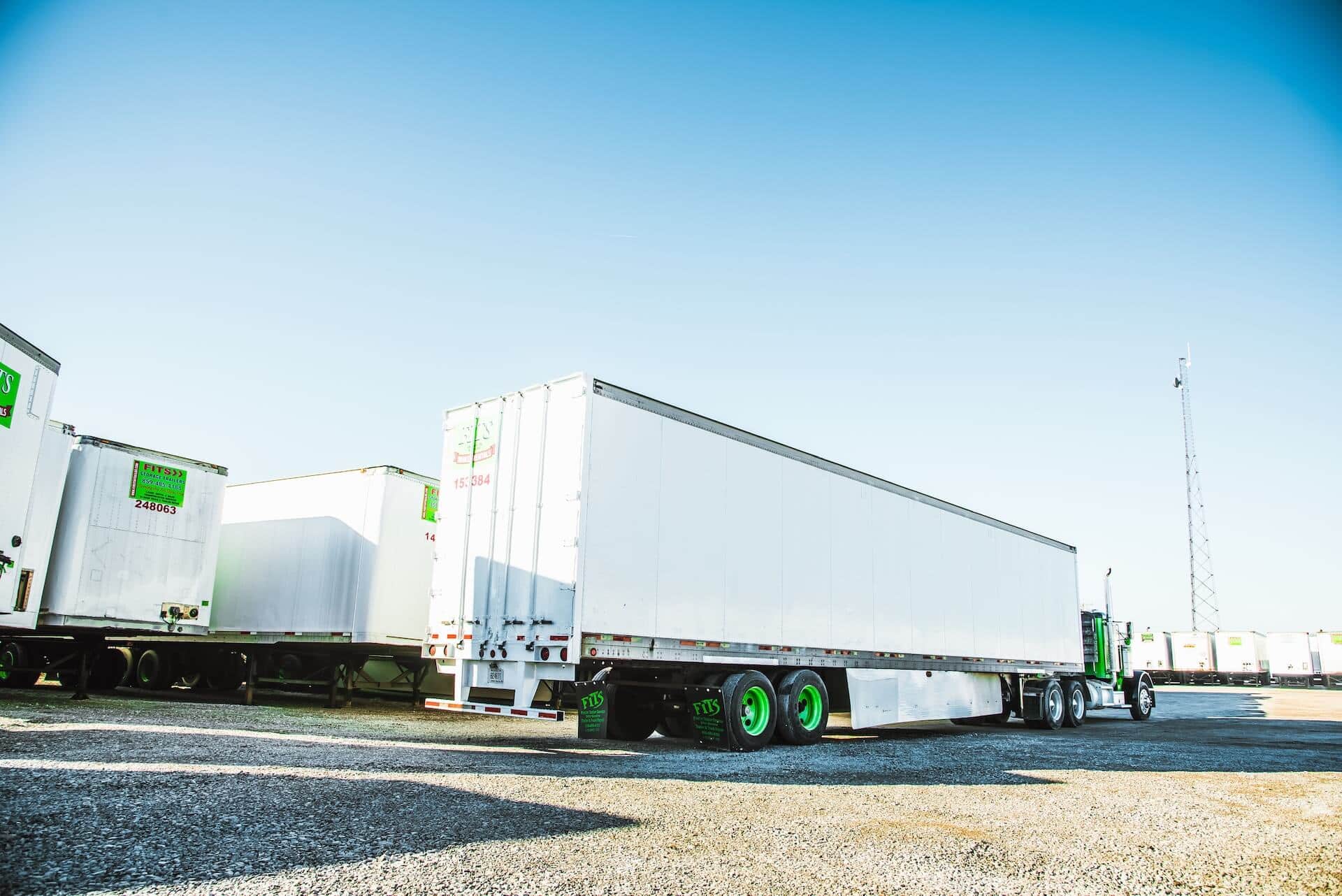
At Warehouse on Wheels, we help companies solve space problems fast. We provide industrial mobile storage through a fleet of nearly 40,000 53-foot dry van trailers across the United States, Canada, and Mexico.
Our trailers give manufacturers, warehouses, and retailers extra capacity without the cost or delay of traditional warehouse space. More than 7,000 customers, from startups to Fortune 100 companies, rely on WOW for storage that is safe, dark, and dry.
Simple. Smart. Storage.
When you need flexible capacity, delivered in 24 to 48 hours, we’re ready to help. No red tape. No upsells. No hardball. Just storage.
Contact us today to learn how trailer-based storage can give your operation the breathing room it needs.