
Mobile Warehousing: Why Smart Operations Teams Are Ditching Long-Term Leases
Mobile warehousing solves capacity problems fast, giving companies flexible space in 24-48 hours without the capital commitments, NNN fees, or construction timelines that come with traditional warehouse expansion.
When Capacity Constraints Become a Company-Wide Problem
When warehouse capacity pressure has nowhere to go, the rolling snowball doesn’t just grow, it accelerates. Each delay feeds the next, turning minor disruptions into larger operational breakdowns that spread across departments.
Space constraints stop being an isolated warehouse issue and start driving decisions in finance, customer service, supply chain and leadership, often at higher cost and with fewer good options.
This is where mobile warehousing comes into play, giving organizations immediate capacity to relieve pressure and keep disruptions from cascading across the business.
How Mobile Warehousing Solves Problems Across Every Department
Mobile warehousing stops being an operations-only conversation when space constraints start to drive costs, service failures proliferate and problems extend well beyond the dock. The impact shows up differently depending on the specific department role, but the pressure is shared across the company. Here’s how mobile warehousing addresses the different types of pressures facing core teams across the organization:
| Department | Constraint | How Mobile Warehousing Helps | Measurable Impact |
| Operations & Supply Chain | Dock congestion; offsite overflow | Trailers staged at dock keep freight accessible | Restores flow; eliminates excess handling |
| Finance & CFO | Fixed capital tied to long-term leases | Converts CapEx to variable OpEx | Up to 4X cost savings; no NNN fees |
| Executive Leadership | Pressure to expand without certainty | Flexibility without long-term commitment | Greater resilience; reduced risk exposure |
| Sales & Customer Service | Service failures from capacity constraints | Reliable capacity for promotions and demand spikes | Improved on-time delivery; fewer stockouts |
| Sustainability & ESG | Excess shuttle runs; permanent facility footprint | Keeps inventory close; eliminates overflow miles | Reduced emissions; supports EcoVadis goals |
The impact shows up differently depending on the role, but the pressure is shared across the company. Here’s how mobile warehousing addresses specific challenges facing core teams:
Operations & Supply Chain: Restoring Flow Without Workarounds
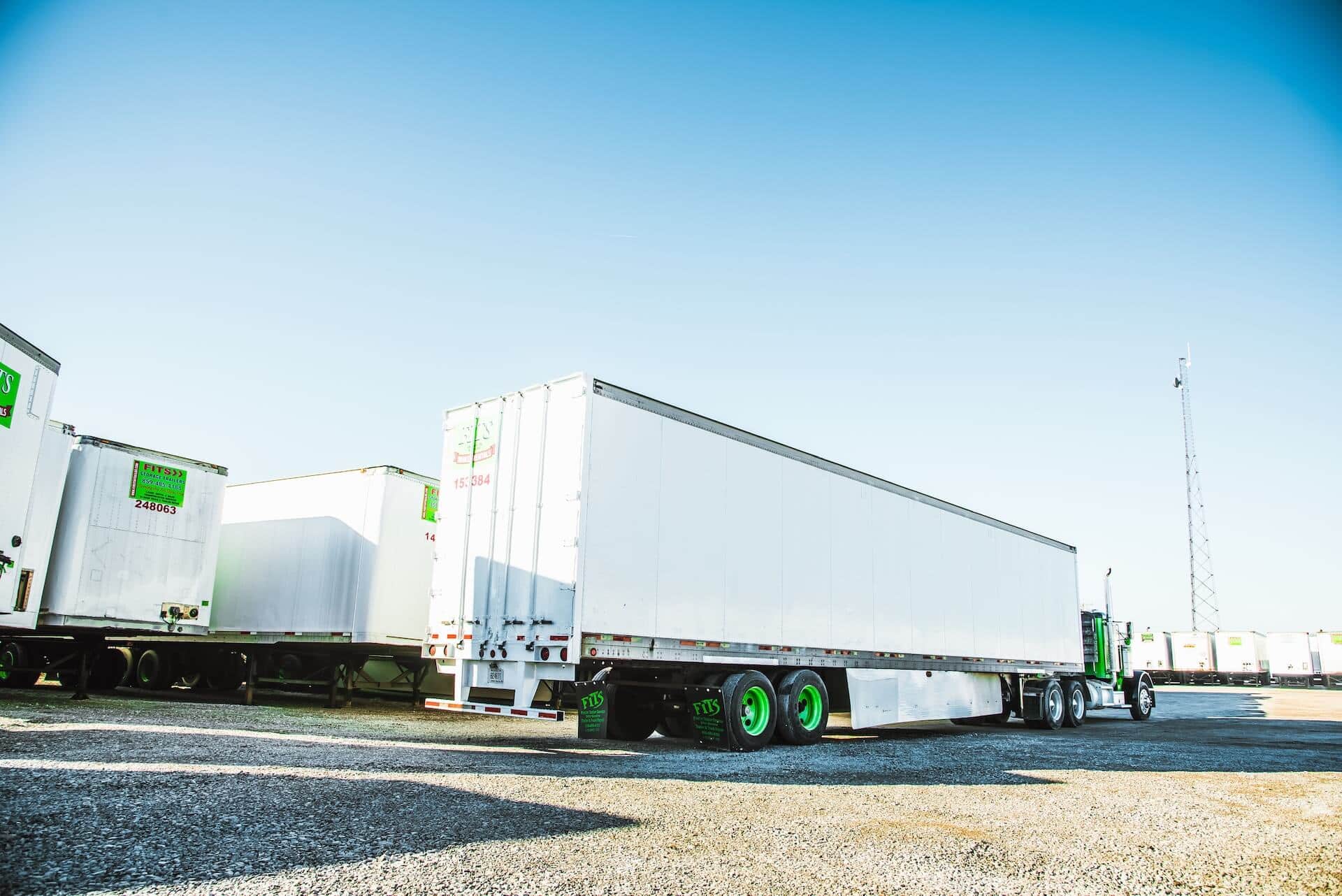
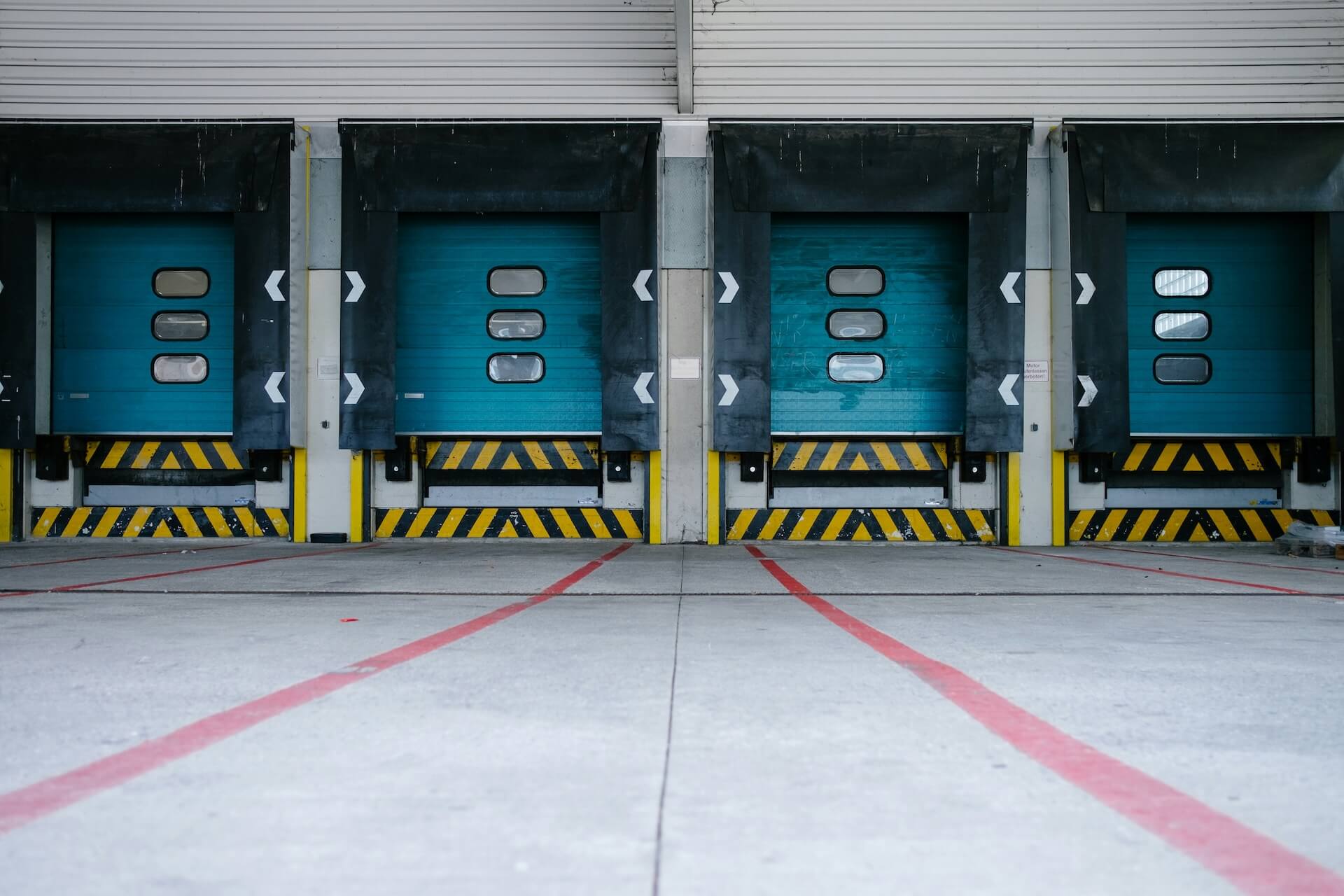
For operations and supply chain teams, this elasticity restores flow without forcing workarounds. Trailers staged at the dock keep freight close to the point of activity, reduce excess handling and eliminate delays tied to offsite overflow. Inventory stays accessible, inbound and outbound regain balance, and teams can respond to short-term demand shifts without reworking the entire facility.
Finance & Leadership: Converting Fixed Costs to Variable Expenses
The financial case is straightforward. By avoiding long-term leases, construction timelines and hidden facility costs, finance teams keep tighter control over the P&L while getting more out of existing systems and infrastructure.
For executive leaders, mobile warehousing provides flexibility without long-term commitment. It allows organizations to respond to demand shifts, disruptions and growth opportunities without adding permanent space that may go unused. The result is greater resilience, better control over risk, and fewer costly decisions driven by short-term capacity constraints.
Sales & Customer Service: Protecting Commitments and Reducing Risk
Sales and customer service teams see the benefit in service reliability and risk reduction. Flexible capacity makes it easier to support promotions, new business and short-lived opportunities without guessing where inventory will go. Customer commitments hold up, and leaders avoid the downstream costs of missed deliveries and reactive decision-making.
Sustainability: Cutting Miles, Emissions, and Energy Use
Sustainability departments also benefit. Keeping inventory close to operations cuts shuttle runs, fuel use and unnecessary emissions, while avoiding the energy demands of additional permanent facilities. WOW’s EcoVadis certification reinforces that alignment, giving organizations a practical way to add flexibility without undermining environmental goals.
Across functions, mobile warehousing provides a common solution to a shared problem: how to stay responsive without locking the business into decisions that outlast the need.
The Financial Case: Why Mobile Warehousing Costs Up to 4X Less
At the end of the day, it comes down to dollars and cents. Costs tied to traditional facilities, including triple-net (NNN) fees, utilities and maintenance, fall away, and companies pay only for the storage they use.
| Cost Factor | Traditional Warehouse Lease | Mobile Warehousing (WOW) |
| Cost per sq ft | $6–12+/sq ft base rent + NNN fees | Up to 4X less expensive |
| Maintenance & Operating Costs | Triple-net (NNN) expenses: taxes, insurance, utilities, maintenance | Maintenance included; no NNN pass-throughs |
| Lease Commitment | 5–7 years typical; early termination penalties | Month-to-month; scale up or down as needed |
| Time to Add Capacity | 6–18 months (site selection, permits, construction, buildout) | 24–48 hours |
| Capital Treatment | Fixed asset (CapEx); ties up capital | Variable operating expense (OpEx) |
| Risk if Demand Drops | Stranded capacity; ongoing lease obligation for unused space | Return trailers immediately; costs stop |
| Scalability | Fixed footprint for entire lease term | Add or remove trailers as demand shifts |
| Hidden Costs | Facility management, security, ongoing buildout, property taxes | Transparent pricing; one monthly rate |
Actual cost savings vary by location, duration, and use case. Contact Warehouse on Wheels for a customized analysis.
Mobile Warehousing Works Beyond the Warehouse: 10 Proof Points
Mobile warehousing does more than just relieve a space crunch. Across the organization, on-demand trailer capacity helps companies:
- Avoid fixed capital commitments tied to buildings that may be underused six months from now.
- Keep freight moving at the dock when volume spikes or disruptions hit.
- Help leadership respond faster without letting short-term pressure force long-term decisions.
- Protect service levels during promotions, seasonal peaks and network changes.
- Reduce detention and demurrage costs by unloading trailers faster.
- Limit offsite overflow and shuttle runs that drive transportation spend and emissions.
- Improve inventory access and visibility by keeping product close to where the work takes place.
- Support sustainability and ESG goals by cutting excess miles, handling and energy use.
- Give sales teams confidence to commit without guessing where inventory will go.
- Reduce operational risk by adding capacity without long-term leases or construction delays.
Mobile Warehousing FAQs
How does mobile warehousing compare to renting temporary warehouse space?
Mobile warehousing eliminates the delays, long-term commitments, and hidden costs of temporary warehouse rentals. Trailers arrive in 24-48 hours instead of weeks or months, with no minimum lease terms or facility management overhead.
What’s the real cost difference between mobile storage and traditional warehouse space?
Mobile warehousing eliminates triple-net (NNN) expenses like property taxes, insurance, maintenance, and utilities that add 20-30% to traditional lease costs. You pay only for the trailers you use, with no long-term lease commitment or capital tied up in facility expansion.
How quickly can mobile warehousing add capacity to our operation?
Mobile warehousing typically adds capacity in 24-48 hours from order placement. This is dramatically faster than traditional warehouse expansion, which takes 6-18 months for permitting, construction, and buildout.
What happens when we don’t need the trailers anymore?
You can scale down or return trailers as soon as you don’t need them, with no long-term commitment or penalties. Mobile warehousing operates on flexible terms that match your actual demand, not a fixed lease schedule.
Can mobile warehousing handle seasonal peaks or temporary capacity needs?
Mobile warehousing is designed for temporary and seasonal capacity needs. Whether it’s holiday peaks, promotional volume, or unexpected demand spikes, trailers can be deployed in 24-48 hours and returned when the surge passes.
Ready to Add Flexible Capacity?
Warehouse on Wheels provides mobile storage through 40,000+ trailers across North America. Our customers, from startups to Fortune 100 companies, rely on us for storage delivered in 24 to 48 hours.