
Don’t Let Warehouse Overflow Turn into a Business Risk
Warehouse overflow isn’t just an operational problem, it’s a business-wide risk. Whether you call it overcrowding, lack of warehouse space, or capacity constraints, the impact spreads fast. The solution isn’t more permanent square footage; it’s more flexibility.
When Space Runs Out, Everything Breaks
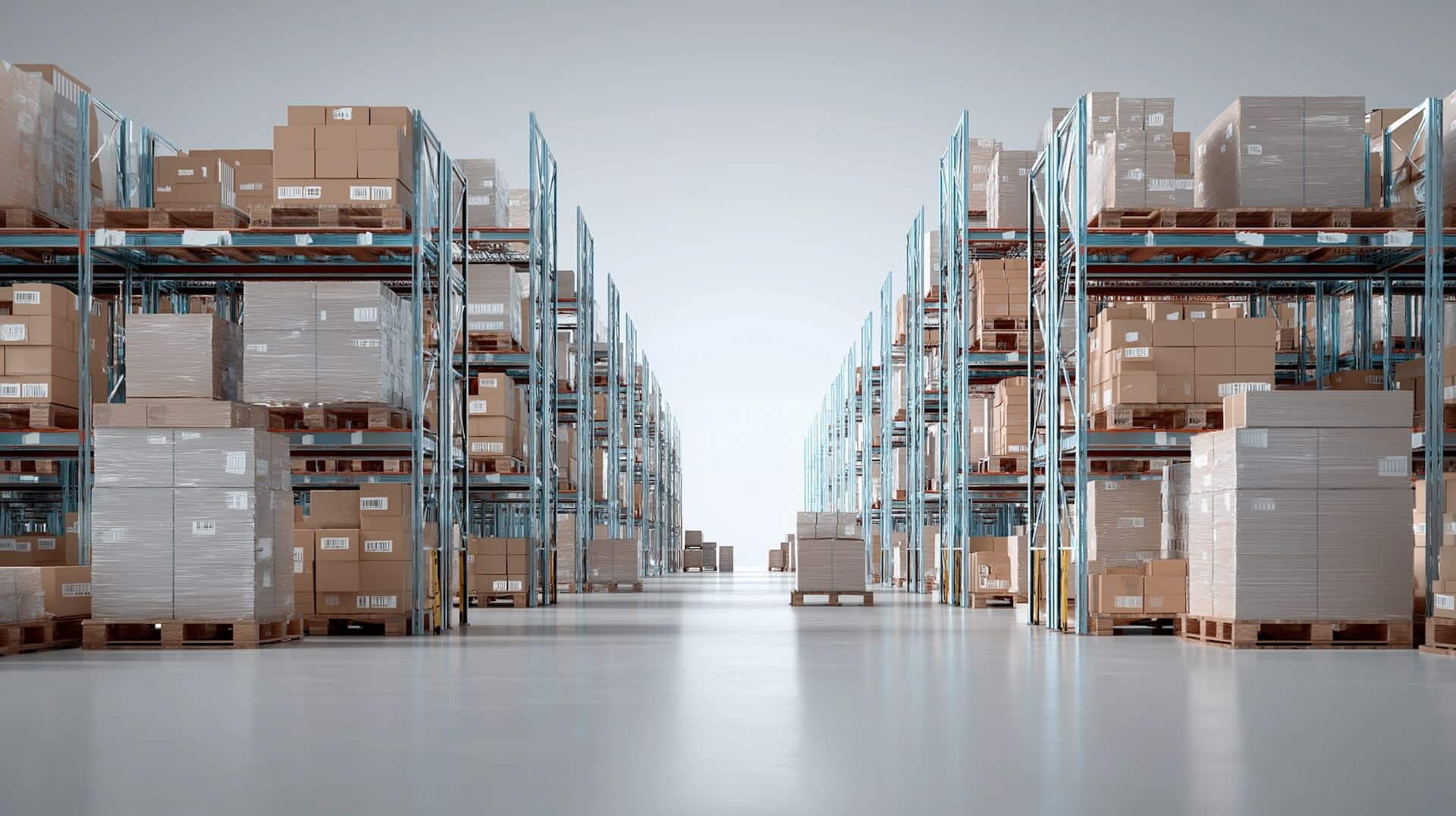
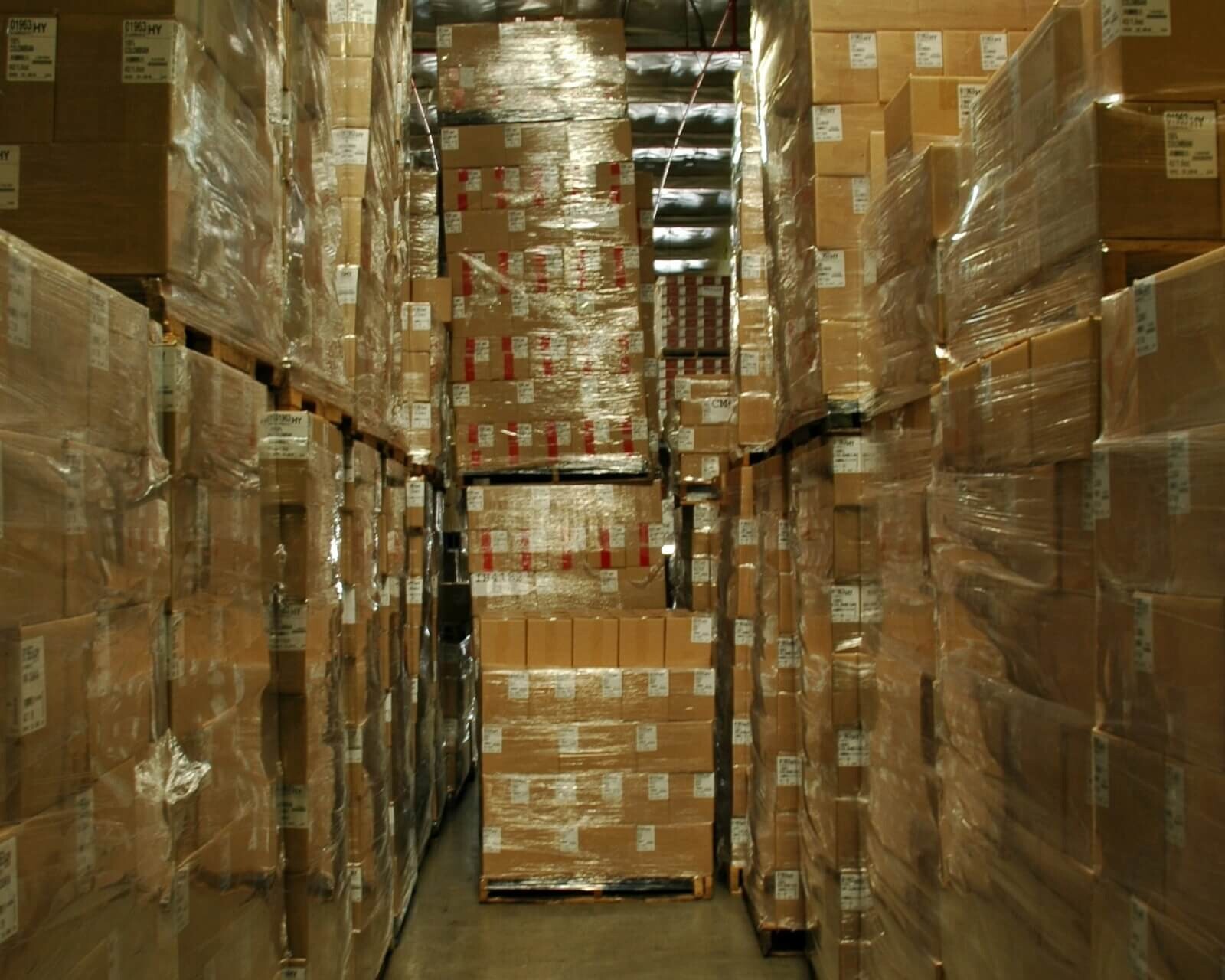
Warehouse overflow happens when inventory volume exceeds your facility’s storage capacity—typically driven by seasonal demand spikes, unexpected bulk orders, supply chain disruptions, or inventory sitting longer than planned. The result is crowded aisles, climbing safety risks, slowed fulfillment, and operations that shift from planned to purely reactive.
When warehouse capacity hits its limits, congestion spreads well beyond the dock. What starts as a space challenge quickly becomes a financial one, then a service one, then a competitive one.
We see it all the time in the fulfillment world. Teams end up playing daily games of inventory Tetris. Shifting pallets, squeezing aisles, making space decisions on the fly. The dock becomes the bottleneck. Aisles become storage. Everything becomes reactive instead of planned.
But here’s what we’ve learned: The companies that handle these pressures best aren’t the ones with the most space. They’re the ones who recognize overcrowding as a warning signal and act before the cascading effects hit the bottom line.
Warning Signs Your Warehouse Overflow Has Become a Business Risk
Look for these warning signs that warehouse overflow has become a business risk:
- Docks backing up during promotions or seasonal peaks
- Trailers sitting longer waiting to unload
- Inventory staged in aisles or nonstandard locations
- Detention and demurrage charges creeping upward month after month
- Short-term spikes forcing decisions about long-term facilities
- Inventory accuracy declining because product isn’t where it should be
- Employee morale suffering as teams handle the same pallets multiple times
When you see these signals, warehouse overflow has crossed from an operational challenge into a business risk.
The Ripple Effects of Overcrowding
Warehouse overflow doesn’t stay confined to the warehouse floor. Space runs out, inventory sits longer, and working capital gets tied up. Detention fees pile up. Demurrage charges climb. Emergency storage costs spike.
What started as a space issue becomes a cash flow issue. Sales teams lose confidence in delivery commitments. Sustainability goals slip as congestion drives excess handling. Labor productivity declines. Safety risks increase as aisles narrow.
Finance absorbs costs they didn’t forecast. Operations loses agility. Customer service shifts to firefighting mode. Every department feels the constraint when your warehouse hits capacity.
The Answer Isn’t More Square Footage
As volatility becomes the norm, fixed capacity alone can’t keep up. Lack of warehouse space doesn’t require permanent solutions, it requires flexible ones. Construction timelines don’t match demand spikes. Industrial real estate is competitive and expensive. Long-term leases lock in costs for problems that might only last a season.
Smart operators build flexibility into their model before pressure builds. They know the next demand surge or seasonal peak is coming. They plan accordingly.
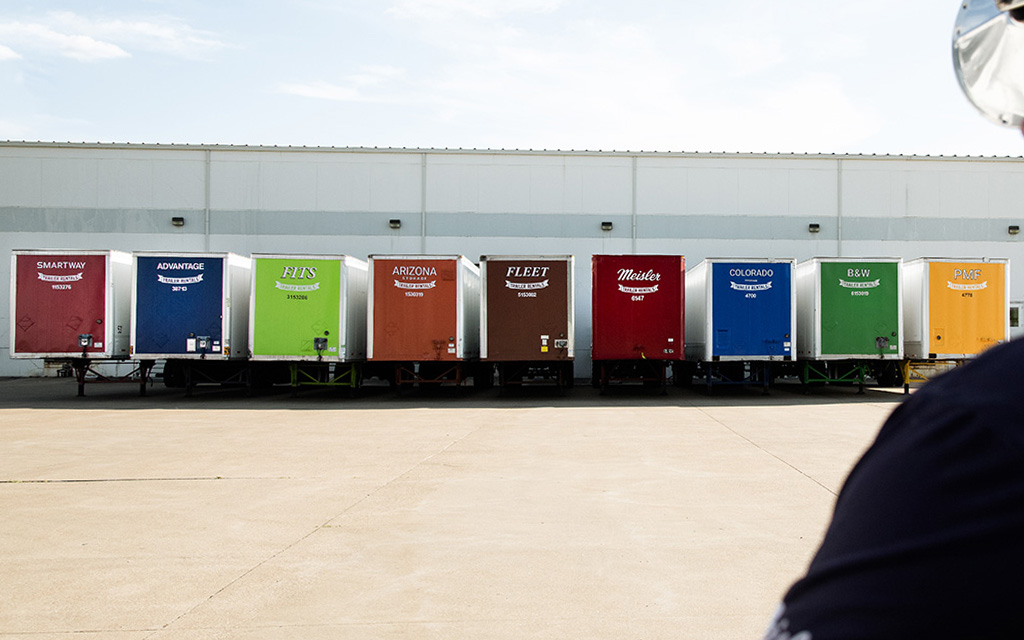
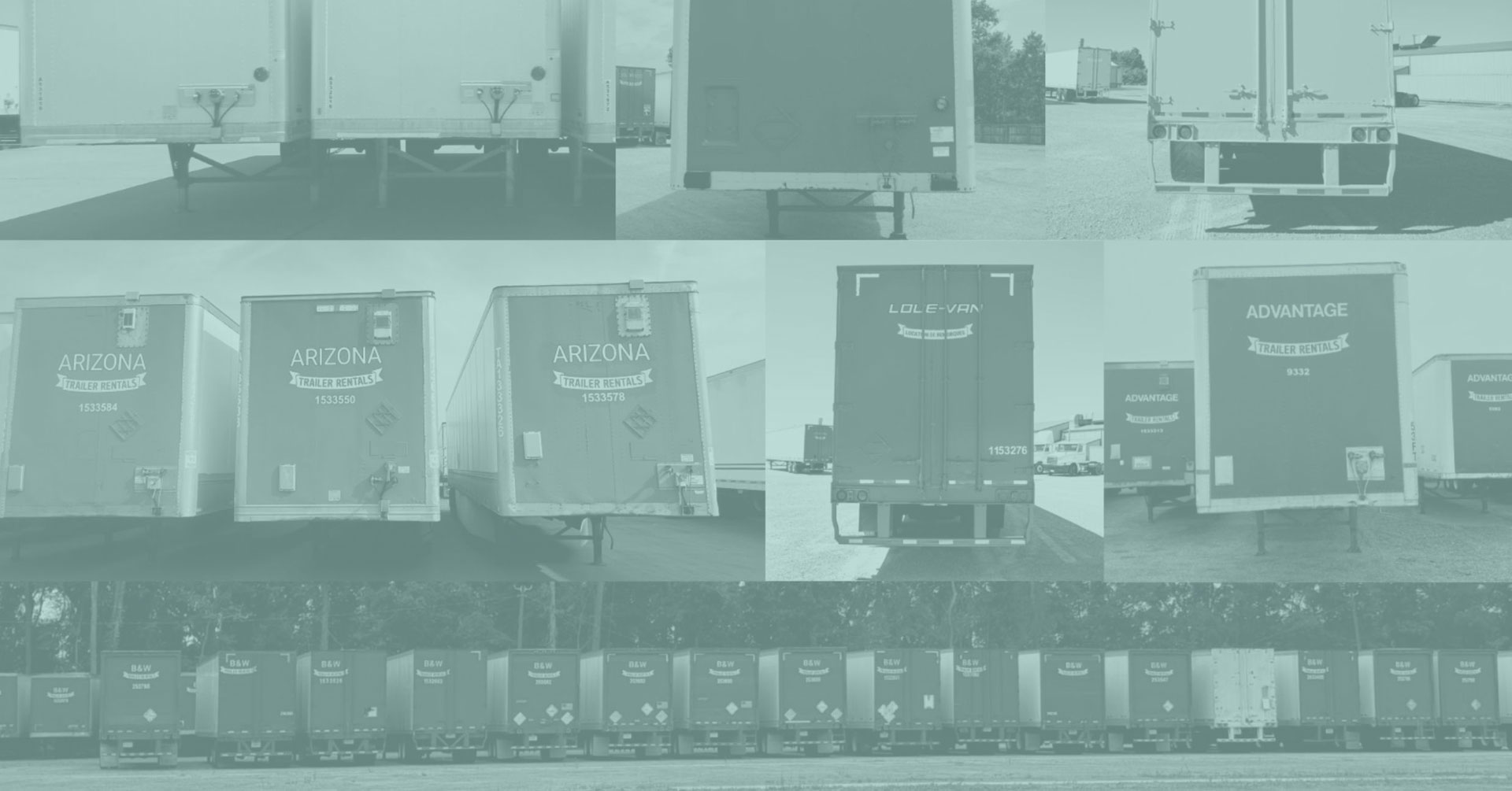
Mobile storage gives you exactly that flexibility. Temporary warehouse space using trailer-based capacity adds space exactly where you need it, relieves pressure where it builds, and keeps inventory close to operations without forcing long-term commitments. When demand normalizes, the extra capacity goes away. And so does the cost.
That’s the fundamental difference between flexibility and expansion. Expansion is permanent. Flexibility scales with your actual business.
Three Real Scenarios Where Overcrowding Becomes Critical
Here’s how mobile storage solves real capacity problems compared to permanent expansion:
| Scenario | The Challenge | Mobile Storage Solution | The Result | vs. Permanent Expansion |
|---|---|---|---|---|
| Seasonal Peak | Retail fulfillment knows Q4 volume will spike 40% above baseline | Deploy mobile storage trailers in early October | Inbound gets breathing room, outbound stays clear, trailers return in January—cost matches actual demand | Pay full lease costs 12 months to handle 40% peak demand for 3 months. Excess space sits empty and costly for 9 months. |
| Unexpected Surge | CPG manufacturer discovers product trend accelerating faster than forecast. Need to clear space fast without pushing inventory far from operations. | Add temporary warehouse capacity near production in 24-48 hours | Inventory stays accessible, flow maintained, production protected until demand stabilizes | Not an option—6-18 month construction timeline means missing the market window entirely. Competitors capture the opportunity. |
| Network Shift | Supply chain team consolidates distribution to strategic hubs. Receiving dock wasn’t designed for this volume. | Deploy mobile storage trailers as temporary buffer while optimizing operations | Implement strategic change without facility constraints, test new network design with real demand, make permanent decisions from position of confidence | Redesigning facility takes 6-18 months and costs millions. Strategic initiative stalls or forces service compromises. |
The Real Cost of Waiting
Every week a facility operates at overcapacity, costs accumulate:
- Handling costs multiply as teams double-handle product
- Service costs spike when expedited shipping covers late orders
- Detention costs compound as trailers wait longer to unload
- Opportunity costs grow as your operation loses agility
Risk costs increase as inventory accuracy declines and safety concerns multiply.
Consider the cascading effect: One week of dock congestion creates delayed inbound. That creates downstream pressure. Orders back up. You miss shipping windows. Customers demand expedited shipping. Your costs spike. Your margins compress. Your service reputation suffers. Now you’re not just dealing with a space problem. You’re managing customer service failures.
The companies that avoid these costs aren’t the ones with the most space. They’re the ones with the most flexibility. They act before overcrowding cascades into problems across finance, operations, sales, and service levels.
Why Flexible Solutions Win Against Permanent Expansion
When space becomes constrained, you face a choice: build permanent capacity or find flexibility. Build permanent and you’re committing to fixed costs for years, betting on forecasts you know will miss, and locking capital into real estate when you could invest in growth.
Temporary warehouse space gives you breathing room without the long-term commitment.
The economics of permanent expansion are brutal: a modest 10,000-square-foot expansion runs $1-2 million before land, permits, or ongoing lease costs. That capital is locked up for years. Meanwhile, your business has changed. Demand patterns have shifted. You’re stuck paying for a decision made on old forecasts.
John Brooks, CEO at Warehouse on Wheels, explains the alternative: “When you look at the total cost of occupancy, mobile storage solutions are up to four times less expensive per square foot than a traditional building. But more importantly, temporary warehouse space turns a massive fixed capital expense into a manageable variable operating cost that aligns with your actual revenue.”
The math changes everything when you look at total cost of occupancy instead of just square footage.
Temporary warehouse space works differently. You pay for capacity when you need it. Deploy trailers in 24 to 48 hours. When demand normalizes, you return them. Your costs scale with reality, not forecasts. Your capital stays liquid. Your flexibility remains intact.
Understanding Your Capacity Situation
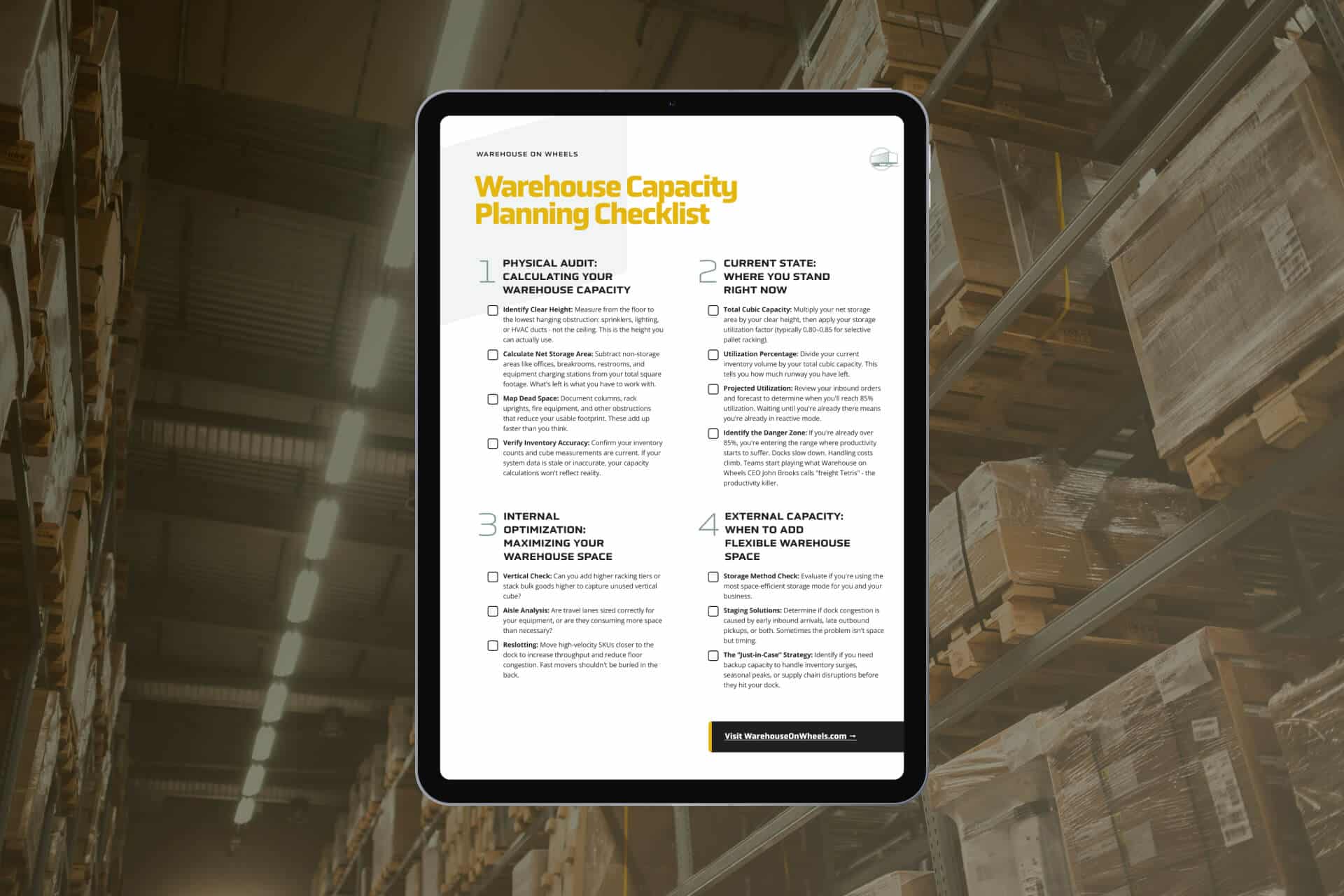
The first step to solving overcrowding is understanding what you actually have. Most warehouse managers know their square footage. Fewer know their actual usable capacity. That gap is where space problems start.
Here’s the formula that matters: Net storage area × Clear height × Storage utilization factor = Cubic storage capacity
Clear height isn’t ceiling height. It’s the distance from the floor to the lowest obstruction: sprinkler heads, lighting fixtures, beam structures, HVAC ducts, building columns, fire suppression equipment, and rack frame footprints. All reduce usable space.
Once you know your cubic capacity, utilization becomes straightforward: Inventory cubic volume ÷ Cubic storage capacity × 100 = Utilization percentage
This tells you how much of your available capacity is currently occupied and how much headroom you have before operations start to feel the squeeze. Different areas of your warehouse operate differently. Reserve storage, forward pick zones, bulk floor storage, and value added services areas each have their own density characteristics. Documenting assumptions by zone gives you a more accurate picture than applying a single factor across your entire facility.
Most operations don’t have the room they need when they need it. But before you commit to permanent expansion, explore whether flexible capacity might be the better answer.
Moving From Risk to Resilience
Warehouse overflow doesn’t resolve itself. It accelerates. The teams that recognize it early protect their margins, service levels, and ability to respond to what comes next.
This is about building resilience before a crisis forces expensive, disruptive decisions. Resilience means having options: when demand spikes, you can respond. When seasonal peaks arrive, you handle them without service failures. When supply chain partners shift timing, you absorb the change.
Not sure where you stand? Our Warehouse Capacity Planning Checklist walks you through a self-assessment: measure your actual usable space, calculate current utilization, identify optimization opportunities, and determine when flexible capacity makes sense.
Ready to explore temporary warehouse space solutions? Contact Warehouse on Wheels to discuss your specific situation. No obligation. No upsells. Just an honest conversation about whether flexible capacity makes sense for your operation.
Simple. Smart. Storage.